Your home’s comfort depends heavily on a well-functioning HVAC system, yet many homeowners aren’t sure when it’s time to stop repairing an old unit and start considering a replacement. Aging systems tend to operate less efficiently, work harder to achieve the same comfort, and eventually cause higher costs and more frustration. Recognizing the early indicators of trouble is one of the best ways to avoid breakdowns and prepare your household for a smooth transition to a newer system. This is especially important in the Dallas–Fort Worth area, where temperature swings place heavy demands on cooling equipment and outdated units struggle to keep up. With a proactive approach, you can reduce stress, save money, and ensure your family stays comfortable year-round.
1. Identify Signs Of Inconsistent Temperature Regulation
Walking from room to room only to find dramatic temperature differences can quickly become frustrating. These inconsistencies often indicate that your system is no longer distributing conditioned air evenly throughout your home. As components age, airflow weakens, and ductwork or equipment can fail to maintain uniform comfort. This uneven performance may also force a homeowner to compensate by adjusting vents or relying on space heaters, which only highlights the inadequacy of the system. Addressing this symptom early can prevent energy waste and unnecessary strain on the equipment.
Frequent thermostat adjustments are also a major sign that something is not working correctly. When you constantly raise or lower the temperature to achieve comfort, the unit is likely struggling to meet the setpoint. This often indicates a malfunctioning thermostat, weakened components, or deeper issues within the system. Not only does this create discomfort, but it also drives up your utility costs as the unit runs longer than necessary. An early evaluation from an HVAC company can help pinpoint the issue before it worsens.
Short cycling—when a system repeatedly turns on and off—adds further evidence that your HVAC unit is declining. Short cycles prevent your home from reaching comfortable temperatures and weaken system components through rapid power cycling. This condition can arise from aging parts, airflow restrictions, or an improperly sized system. Over time, it accelerates wear and leads to more frequent breakdowns. Addressing cycling issues early can reduce strain and extend the life of your HVAC equipment.
2. Notice Trends Of Increasing Energy Bills
When your utility bills start rising despite consistent household habits, your HVAC system may be losing efficiency. Older units require more energy to achieve the same heating or cooling results, and this inefficiency shows up quickly on monthly statements. If you haven’t increased your usage but your bills keep climbing, it’s worth investigating your system’s performance more closely. Many Dallas–Fort Worth homeowners discover that outdated systems become expensive long before they completely fail.
The age of your equipment plays a major role in declining efficiency. According to the Environmental Impact Assessment, about 10.55 million U.S. homes had air-conditioning equipment that was 20 or more years old. Systems of that age are typically far less efficient than modern models and are often plagued by repeated repairs. Replacing a unit at or beyond its expected lifespan often results in noticeable comfort improvements and reduced energy expenses. Keeping an eye on the system’s age allows you to plan ahead rather than react to a sudden failure.
3. Evaluate The Age And Condition Of The HVAC System
In our experience, we have found that the average HVAC system lasts 15 to 20 years, depending on usage and maintenance. Once a unit passes this range, it becomes increasingly prone to failures and efficiency losses. Even if an older unit still operates, it may cost you more in energy waste and repairs than it’s worth. By understanding the typical lifespan, you can make informed decisions about whether continued repairs make sense. A professional inspection from an HVAC company can also help you predict when replacement should occur.
Technology evolves rapidly in the HVAC industry, and newer systems are significantly more efficient than older models. Updated designs provide better airflow, more precise temperature control, and improved indoor air quality. Smart features like programmable thermostats and variable-speed motors also enhance comfort and reduce energy consumption. Choosing to upgrade allows homeowners to take advantage of these innovations and enjoy a quieter, more reliable system. Staying current with HVAC technology brings long-term financial and comfort benefits.
4. Detect Excessive Noise And Unpleasant Odors
Grinding or screeching sounds typically signal mechanical problems such as worn-out motors, loose belts, or failing fans. These noises rarely resolve themselves and often worsen quickly if left unattended. Loud disruptions during operation indicate that internal components are struggling to function correctly. Scheduling an inspection early helps catch mechanical failures before they develop into major system damage.
Banging or clunking noises can also point to trouble inside the unit. Loose or broken parts may shift during operation, causing internal collisions that damage surrounding components. These sounds suggest that your system may be operating unsafely or inefficiently. Fixing these problems early helps prevent larger failures and keeps the unit functioning longer. Delays can result in additional costs or even system shutdown.
5. Assess Declines In Indoor Air Quality
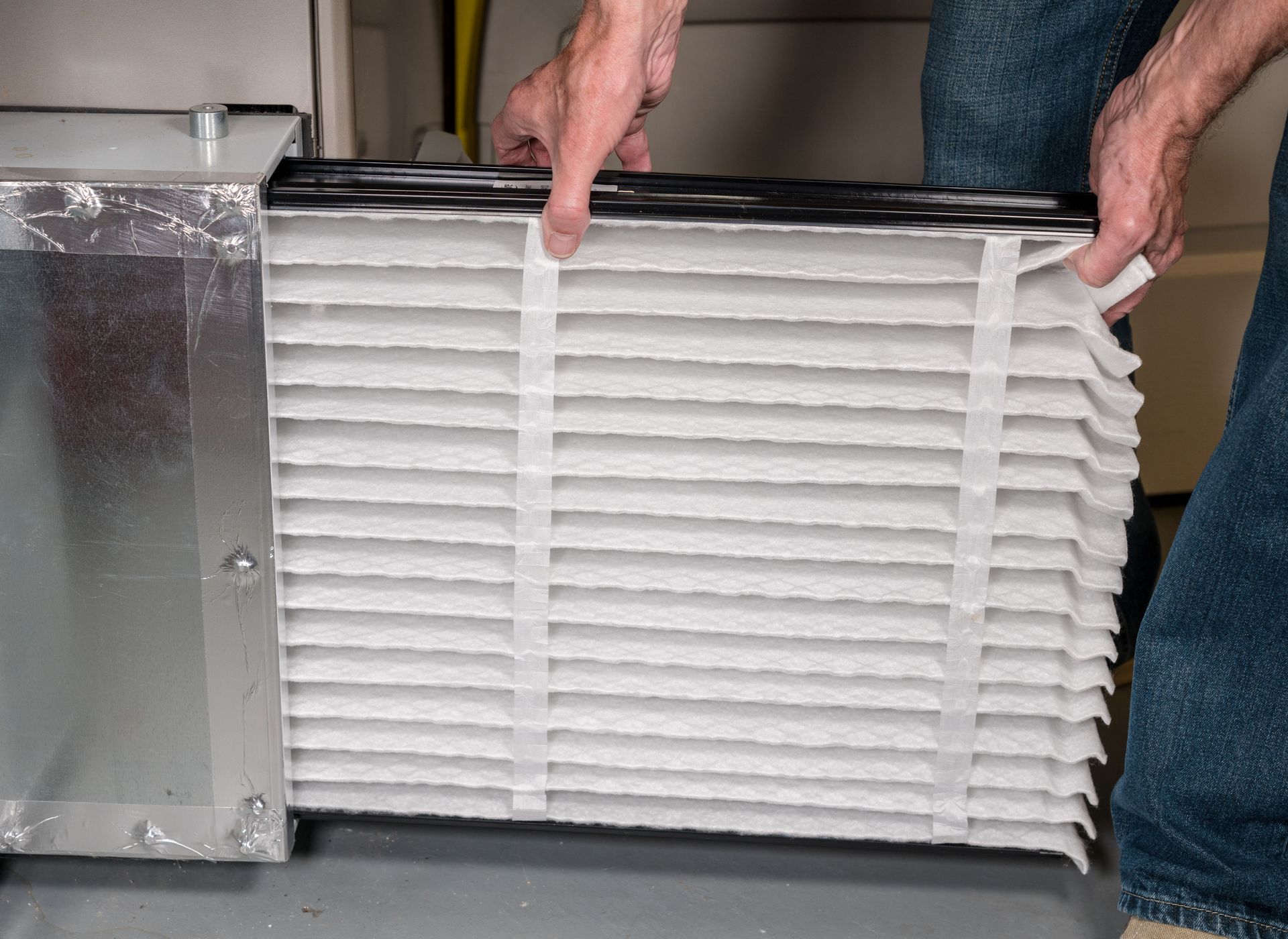
Dust buildup throughout your home is often a result of poor filtration or failing components within the HVAC system. When the unit cannot properly capture airborne particles, dust and allergens circulate freely. This creates a less comfortable living environment and may signal that your system is overdue for maintenance or replacement. Upgraded systems often include better filtration options that significantly improve indoor air quality.
Allergy symptoms and respiratory irritation may worsen when an HVAC system struggles to maintain clean, properly filtered air. If you or your family experience increased discomfort, your system may be failing to trap pollutants or regulate humidity effectively. Poor indoor air quality can have noticeable effects on sensitive individuals. Consulting an HVAC company can help determine whether a repair or full replacement is the best path forward.
6. Track Patterns Of Frequent System Repairs
Repeated component failures often indicate that your system is reaching the end of its operational lifespan. As individual parts wear out, other components must compensate, which increases strain throughout the system. These breakdowns can be costly and inconvenient, especially during peak temperatures. Replacing older equipment often resolves root issues and restores long-term reliability.
Short-term repair solutions can temporarily stop problems but rarely address the underlying causes. Constantly applying quick fixes may keep the system running for now, but doing so can lead to more expensive failures later. A proactive replacement approach helps homeowners avoid stressful emergency repairs. Taking steps toward a long-term solution ensures dependable comfort and better energy management. An HVAC company can help diagnose whether ongoing issues suggest it is time for a new unit.
A well-timed HVAC replacement can dramatically improve your home’s comfort, efficiency, and peace of mind. By recognizing warning signs—such as inconsistent temperatures, rising utility bills, frequent repairs, or declining air quality—you can make a financially smart and forward-thinking decision. Upgrading to a newer system helps reduce energy waste, improves indoor comfort, and provides greater reliability throughout the year. When your system begins showing consistent signs of decline, taking action ensures your home remains comfortable and efficient for years to come. For expert guidance and high-quality service, reach out to Four Seasons Air Systems to learn how we can help improve your home’s comfort and reliability.