October 20, 2026
A comfortable home depends on more than the temperature displayed on a thermostat. Dust, pollen, and other airborne particles can affect the spaces where people sleep, work, and spend time together, even when heating and cooling equipment maintains the desired temperature. Because many of these particles are difficult to see, their movement through a home can go unnoticed. Professional air filtration addresses that part of indoor comfort by capturing particles as air passes through a suitable system.
With guidance from air conditioning contractors, homeowners can select filtration that suits both household concerns and the equipment already serving the home. Their recommendations account for the particles involved, the system's airflow requirements, and the care the filtration product will need. Looking at those factors together gives homeowners a clearer understanding of how an upgrade can improve the air circulating through their living spaces.
Reducing Everyday Airborne Particles
Indoor air carries particles from ordinary household activity as well as material brought in from outdoors. Fabric fibers, dust, and pollen may become suspended when people move through rooms, handle belongings, or open doors. Heating and cooling systems can then carry some of that material along with circulating air, even after the activity that stirred it up has ended. A properly selected filter captures a portion of those particles before the air continues through the system, reducing the amount available to recirculate through living spaces.
That process can contribute to a cleaner indoor environment without making the home completely free of dust. Particles already resting on furniture or flooring do not automatically reach a filter, and new material continues entering the home. When air conditioning contractors evaluate filtration needs, recurring dust concerns can help shape the discussion about suitable equipment. Even when some dust remains on surfaces, capturing the airborne portion reduces how much material repeatedly travels with conditioned air through the home.
Choosing Filtration for the Particles That Matter
Filters differ in the sizes of particles they can capture effectively. A basic filter may collect larger material while allowing smaller particles to pass through, so two products that look similar can perform differently. For households concerned about airborne pollen or pet dander, that distinction matters more than the appearance of the filter itself. Visible pet hair, for example, does not reveal how well a filter captures the much smaller flakes of skin that make up dander. Professional selection focuses on the product's particle capture capabilities and whether those capabilities address the concerns present in the home.
Not every air quality complaint involves particles, however, and a particle filter alone cannot address every odor or airborne gas. During an assessment, air conditioning contractors can explain the difference between filtration and other air purification options when addressing a particular concern. Less visible dust, for example, does not necessarily mean that an odor-producing gas has been removed. Separating these concerns helps establish what the filter can accomplish and whether a different air quality product merits consideration.
Supporting Airflow Alongside Cleaner Air
Air must move through a filter for filtration to work, making airflow an essential part of product selection. A filter that creates too much resistance for the existing equipment can interfere with circulation through the heating and cooling system. Rather than judging a product by particle capture alone, air conditioning contractors consider how it will function within the equipment's airflow requirements. Effective filtration depends on that relationship between removing particles and allowing the system to move air properly.
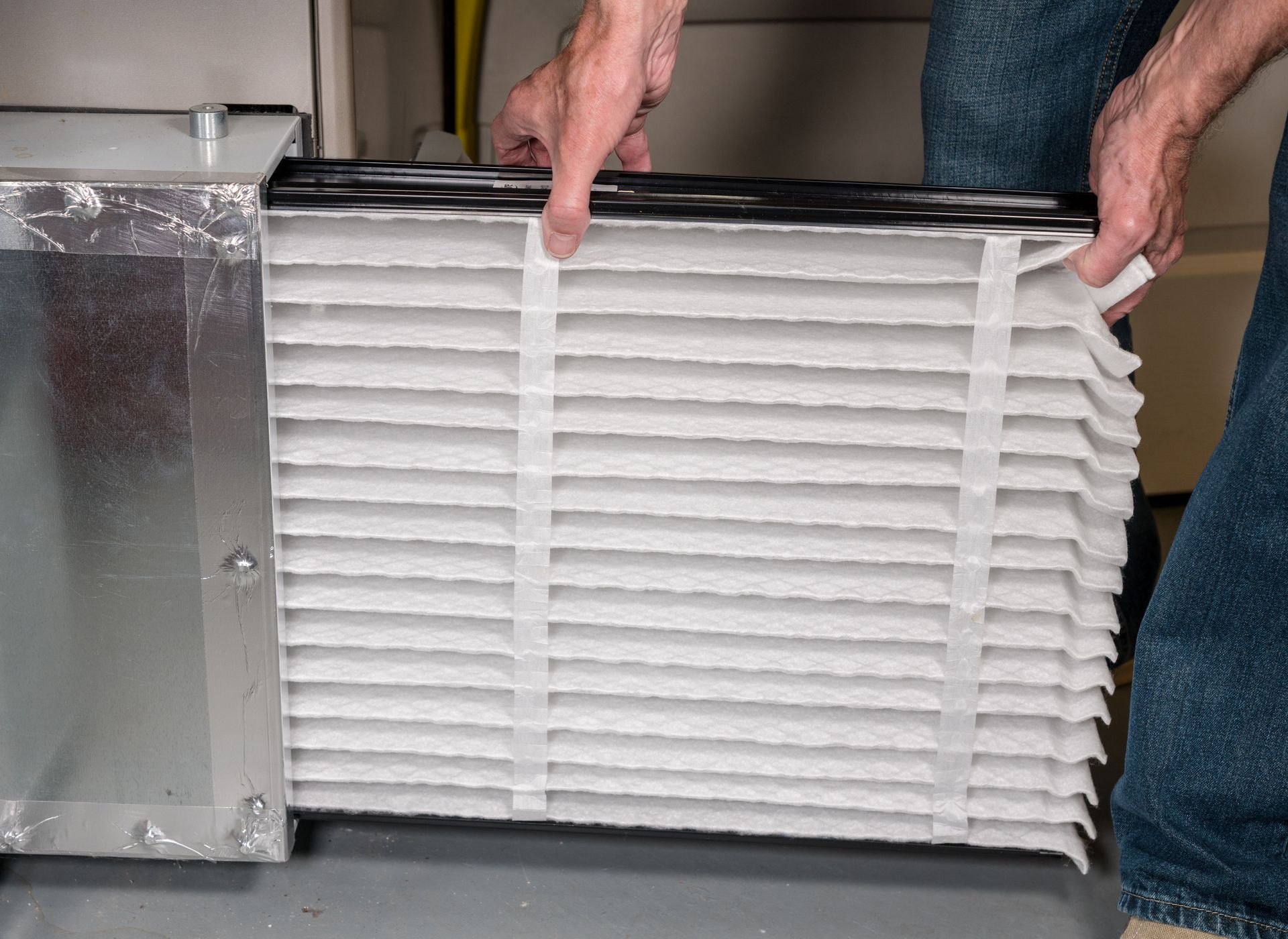
Installation quality also influences how much circulating air actually passes through the filter material. Gaps around an improperly fitted filter can allow air to bypass it, carrying particles past the intended capture point. Even a highly rated product loses effectiveness when some air travels around its edges. When the filter fits correctly, more of the air passing through its housing is directed through the filtering material. Careful installation therefore contributes directly to the air quality improvement by making the filter's capture capabilities available to the air moving through the equipment.
Making Improvements That Suit Existing Equipment
Filtration upgrades need to account for the equipment a home has today, including systems that have been operating for many years. According to the U.S. Energy Information Administration, approximately 10.55 million American homes had primary air conditioning equipment at least two decades old in 2020. The prevalence of older equipment makes it useful to distinguish the age of a cooling unit from the filtration arrangement it can support. An upgrade should suit the existing system's design and condition rather than assume every unit can accommodate the same product.
Equipment age alone does not establish which filtration option will work or whether the entire cooling system needs replacement. Its current performance, filter arrangement, and airflow needs provide a more useful basis for the decision. An evaluation by air conditioning contractors helps determine which filtration options are compatible with the equipment in place. The purpose is to improve particle capture within the system's operating limits, whether the equipment is relatively new or has served the home for years.
Extending the Benefit Across Shared Living Spaces
A filtration system connected to central heating and cooling equipment treats air moving through that system, giving it a role beyond one room. Bedrooms, living areas, and other connected spaces can benefit as their air returns through the filtration point. This is especially relevant in households where family members spend time in different parts of the home throughout the day. Filtration occurs while air moves through the equipment, so its operation is tied to system use rather than continuous treatment of every room. The benefit follows the circulation path, so coverage depends on how those rooms connect to the heating and cooling system.
A room with limited air exchange through the central system may receive less benefit than a room with stronger circulation through that equipment. Rooms served by separate equipment also require consideration because their air does not necessarily pass through the central filtration system. The home's layout gives air conditioning contractors useful context for explaining where a proposed upgrade can improve circulating air. For a household using both central and separate cooling equipment, that distinction helps clarify why one filtration product may not address every occupied space equally.
Preserving Filtration Performance Over Time
The benefits of filtration depend on continued upkeep after installation. As a filter collects material, its condition changes, and accumulated debris can affect airflow through the system. Maintenance needs vary with the filter type, household conditions, and equipment use, so a single replacement interval is not appropriate for every home. Professional guidance helps establish suitable care for the chosen product and connects that care with the broader maintenance needs of the heating and cooling equipment.
Changes within the household can also affect how much material reaches the filter over time. A new pet, more frequent occupancy, or a season with increased outdoor pollen can change the demands placed on filtration. A technician can explain how those conditions relate to the selected product's care requirements without assuming that every household needs the same schedule. Asking about ongoing care when discussing an upgrade makes maintenance part of the decision from the beginning, helping homeowners understand what the product needs to keep performing effectively.
Temperature control is only one part of making a home comfortable to occupy. Giving airborne particles similar attention allows a filtration upgrade to address a concern that can persist even when heating and cooling work well. Our air conditioning contractors evaluate your indoor air quality needs and recommend suitable filtration solutions. Contact Four Seasons Air Systems to discuss how our filtration services can support your indoor comfort.