September 11, 2026
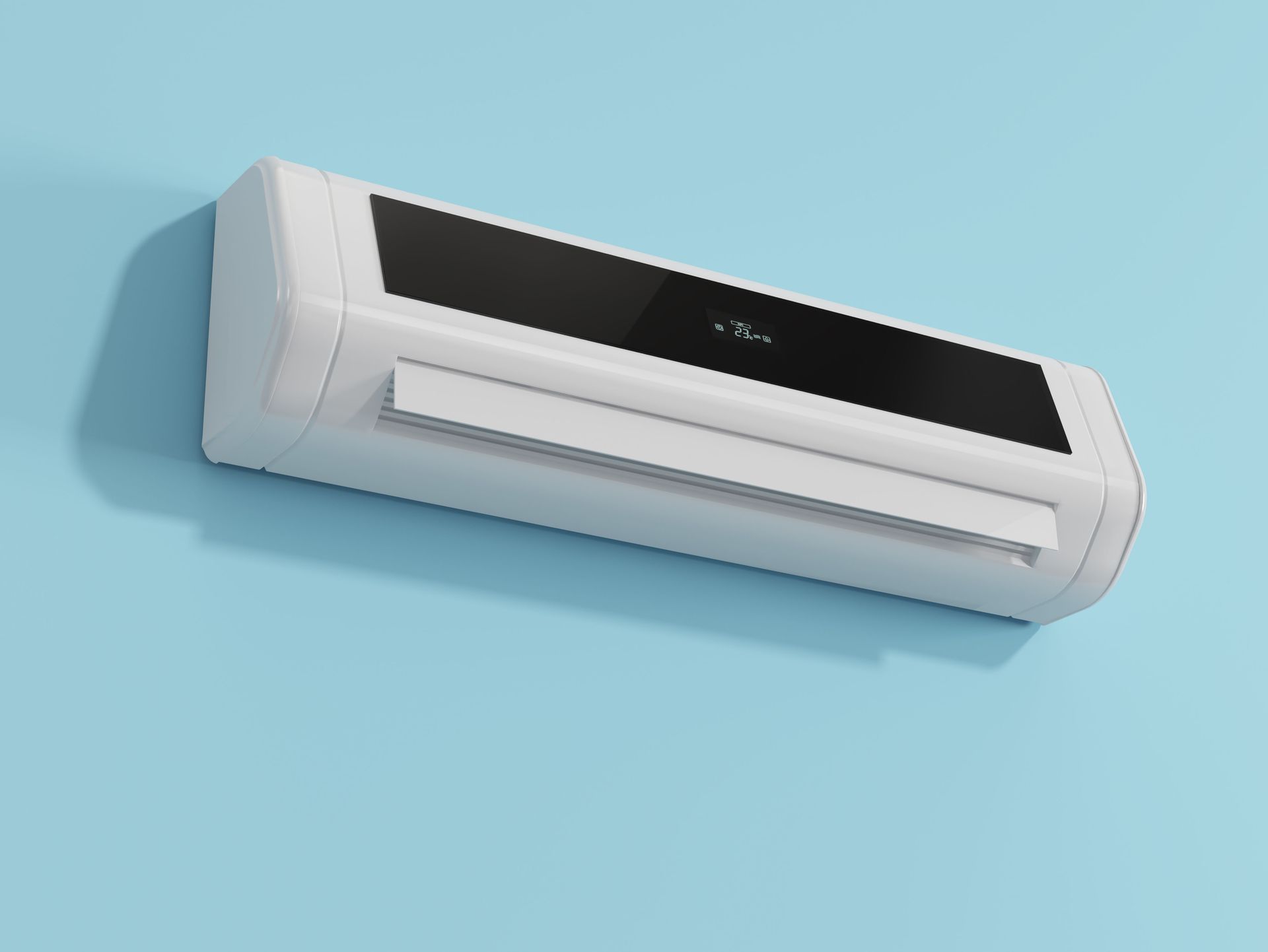
Indoor comfort depends on more than simply lowering the temperature during hot weather. A modern AC installation can improve how evenly a home is cooled, how efficiently energy is used, and how easily homeowners manage indoor conditions throughout the day. Newer systems are designed with advanced controls, quieter components, improved filtration, and more efficient operation. Together, these features can make a noticeable difference in comfort, convenience, and long-term household expenses.
1. Improved Temperature Control
One of the most noticeable advantages of upgrading an air conditioning system is more consistent temperature regulation. Older equipment may cycle on and off frequently, struggle to keep up during extreme heat, or create uneven temperatures from one room to another. Modern systems often use variable-speed compressors, inverter technology, and better airflow management to provide steadier cooling with fewer abrupt temperature swings.
A properly sized cooling system also helps the system respond more effectively to changing indoor and outdoor conditions. According to Fixr, homes typically require about 45 British thermal units, or BTUs, per square foot of living space, although actual needs vary based on factors such as insulation, climate, windows, ceiling height, and home orientation. Correct sizing helps prevent the inefficiency and discomfort associated with equipment that is too large or too small for the property.
Many newer systems also support zoning, allowing homeowners to control temperatures in different areas independently. Bedrooms, living areas, home offices, and rarely used spaces can each receive the amount of cooling they need. This can reduce unnecessary energy use while helping household members maintain more personalized comfort levels.
2. Better Indoor Air Quality
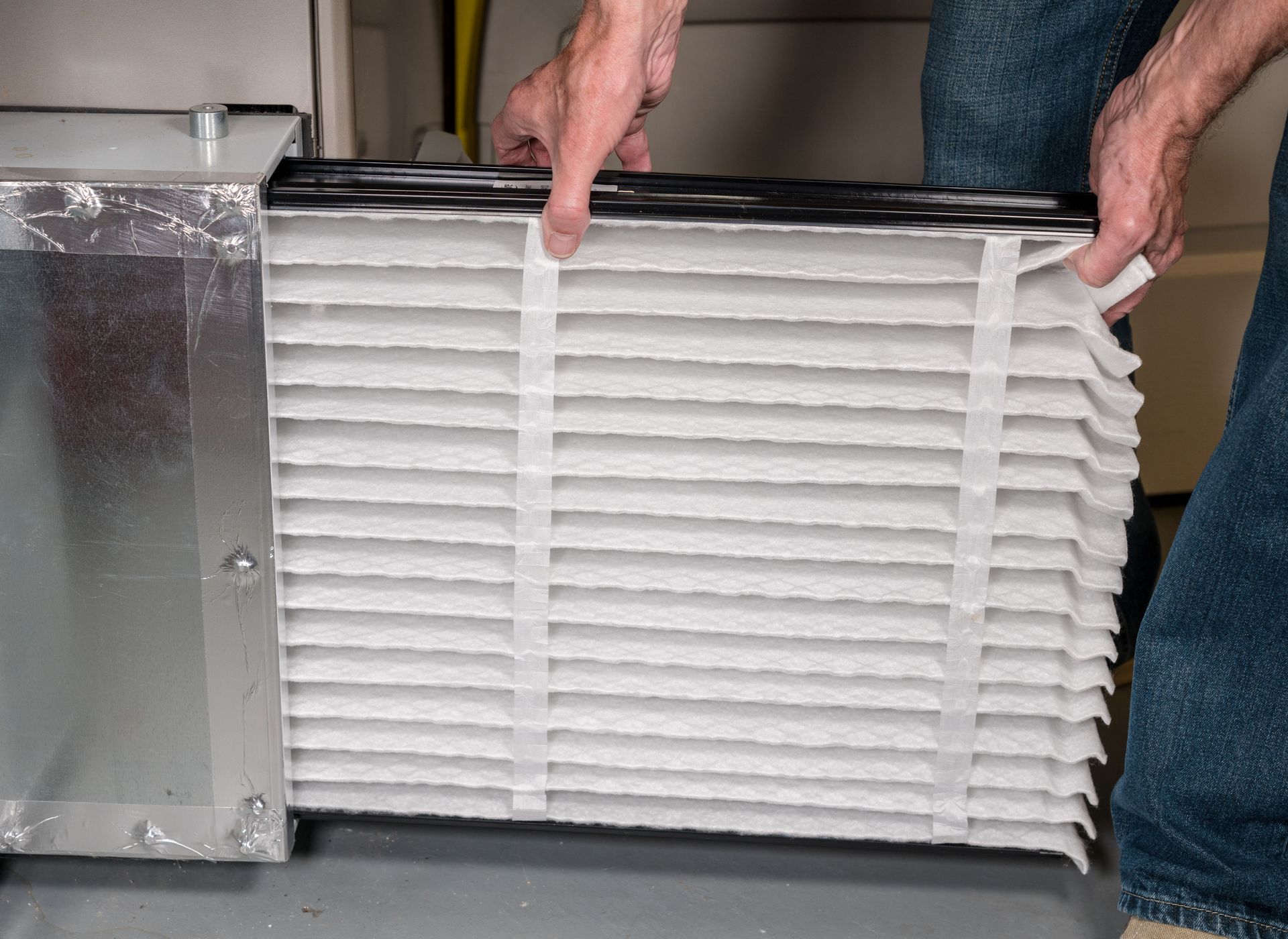
Modern air conditioning equipment can contribute to cleaner indoor air by improving filtration and air circulation. New systems may be compatible with higher-quality filters that capture dust, pollen, pet dander, and other airborne particles. For households concerned about allergens or general cleanliness, improved filtration can make the indoor environment feel fresher and more comfortable.
Humidity control is another important benefit of a modern cooling system. Excess moisture can make a home feel warmer, encourage mold growth, and contribute to musty odors. Modern systems are often better at removing humidity while cooling, helping maintain a more balanced indoor environment. Proper moisture control can also help protect furnishings, finishes, and other materials that may be affected by persistent dampness.
3. Greater Energy Efficiency
Energy efficiency is one of the strongest reasons homeowners consider replacing older cooling equipment. Newer air conditioners are designed to deliver more cooling while using less electricity than many older units. Higher efficiency can reduce monthly operating costs, especially in regions where air conditioning runs for much of the year.
Seasonal Energy Efficiency Ratio ratings are commonly used to compare cooling efficiency. In general, a higher SEER or SEER2 rating indicates greater efficiency under standardized testing conditions. However, equipment ratings should be considered along with proper sizing, duct condition, insulation, installation quality, and household usage patterns. A highly rated unit may not perform efficiently if the rest of the system is poorly designed or maintained.
4. Lower Utility and Operating Costs
Efficient equipment can reduce the amount of electricity required to maintain comfortable temperatures. Variable-speed systems are especially useful because they can run at lower output when full cooling capacity is unnecessary. Instead of repeatedly turning on at maximum power, the system can make smaller adjustments to maintain a steady indoor climate.
Over time, a new AC installation may also reduce repair expenses if it replaces an older unit that requires frequent service. Aging systems can develop worn motors, failing capacitors, refrigerant issues, damaged coils, or other problems that become increasingly expensive to address. While every system requires maintenance, newer equipment is generally less likely to experience the repeated breakdowns associated with heavily worn components.
Homeowners should still schedule regular inspections and maintenance. Cleaning coils, replacing filters, checking refrigerant levels, clearing drains, and inspecting electrical components can help preserve efficiency. Preventive care can also identify small issues before they develop into larger problems that interrupt cooling during hot weather.
5. Quieter Indoor Comfort
Older air conditioners can produce noticeable compressor noise, rattling, vibration, or loud airflow. Modern units are often designed with insulated compressor compartments, improved fan blades, vibration-dampening materials, and variable-speed motors that operate more quietly. These features can make a meaningful difference in bedrooms, home offices, and living areas where noise can be distracting.
A well-planned AC installation also considers airflow and duct design. Whistling vents, banging ducts, or excessively forceful airflow may indicate restrictions, poor sizing, loose components, or design problems. Addressing these issues during an upgrade can help the system distribute conditioned air more quietly and efficiently throughout the home.
6. Smart Thermostat and Home Automation Features
Many modern systems can integrate with smart thermostats that give homeowners more control over cooling schedules. These thermostats may allow remote adjustments through a smartphone, automatically change settings based on occupancy, and provide usage reports that help households better understand energy consumption.
When paired with compatible equipment, a new AC installation can become part of a broader home automation system. Climate settings may be coordinated with lighting, occupancy sensors, or voice-controlled devices. For example, homeowners can reduce cooling while the house is empty and restore preferred temperatures shortly before occupants return.
7. More Consistent Comfort Throughout the Home
Uneven cooling is a common complaint in homes with older equipment or inefficient ductwork. Upstairs rooms may stay warmer, rooms with large windows may gain more heat, and spaces far from the air handler may receive weaker airflow. Modern systems can address some of these issues through improved blower technology, zoning, better controls, and carefully planned duct modifications.
During an AC installation, contractors may evaluate airflow, return vents, duct sizing, insulation, and thermostat placement. Correcting these factors can be just as important as selecting the equipment itself. A balanced system helps conditioned air reach each area more effectively while preventing the unit from working harder than necessary.
8. Longer Equipment Life and Warranty Protection
Modern air conditioning systems are built with improved controls, durable components, and protective features designed to support dependable operation. Many manufacturers also offer warranties on major parts, although coverage terms vary. Homeowners should review registration requirements, maintenance expectations, and exclusions so they understand what is covered.
Professional AC installation is important for protecting both performance and equipment life. Incorrect refrigerant charge, poor electrical connections, improper drainage, inadequate airflow, or faulty duct connections can shorten system life and reduce efficiency. Careful installation helps the equipment operate within manufacturer specifications from the beginning.
Routine maintenance remains essential after the upgrade. Filters should be changed as recommended, outdoor units should remain clear of debris, and professional service should be performed according to the system's requirements. Consistent care helps preserve comfort, reliability, and efficiency over the years.
9. Choosing the Right System for the Home
Not every home needs the same type or size of cooling system. Central air conditioning, heat pumps, ductless mini-splits, and variable-speed systems each have different strengths. The right choice depends on the home's layout, existing ductwork, climate, energy goals, budget, and comfort preferences.
A professional evaluation can help homeowners compare efficiency ratings, system capacities, available features, warranty terms, and installation requirements. Contractors may also inspect electrical service, duct condition, drainage, and thermostat compatibility before recommending equipment. These details help ensure the selected system works effectively with the rest of the home.
A new AC installation can offer meaningful improvements in comfort, efficiency, air quality, noise reduction, and smart-home convenience. When the system is properly selected, sized, installed, and maintained, homeowners can enjoy more consistent cooling and potentially lower operating costs for years to come. Contact our team at Four Seasons Air Systems today and learn more about our AC services.