October 19, 2026
As temperatures begin to drop, preparing your heating system for winter helps keep your home comfortable and your equipment operating efficiently. Seasonal maintenance allows technicians to identify developing problems, address worn components, and make sure your furnace or heat pump is ready for increased demand. Scheduling an inspection before cold weather arrives can also help reduce the likelihood of an unexpected breakdown when you need heat the most.
Working with an experienced HVAC service gives homeowners a practical way to prepare their equipment for seasonal changes. Professional technicians evaluate system performance, inspect essential components, and recommend repairs or adjustments based on the condition of the equipment. Understanding what happens during a heating tune-up can help you recognize the value of routine maintenance and make informed decisions about your home's comfort.
Inspect Heating Equipment and Identify Potential Problems
Evaluate the Condition of Essential Components
A heating system contains several interconnected components that must work together to distribute warm air throughout a home. Before winter begins, an HVAC company typically starts by examining the equipment's overall condition, checking for visible damage, unusual wear, loose connections, and other potential concerns. This initial evaluation helps technicians determine whether the system is ready for regular operation or requires additional attention.
The inspection process depends on the type of equipment installed in the home. For example, a furnace inspection may involve examining the burner assembly, heat exchanger, ignition system, and blower motor. Heat pump maintenance may include evaluating the compressor, reversing valve, outdoor coil, and other components involved in heating operation. Technicians also consider the system's age and maintenance history when determining whether particular parts need closer examination.
Test Heating Performance and Operating Cycles
After reviewing the equipment's condition, technicians test its operation to identify performance issues that might not be visible during a basic inspection. They may start the system, monitor its heating cycle, check temperature differences between the supply and return air, and assess whether the equipment responds appropriately to thermostat settings. These checks help reveal problems such as insufficient heat output, irregular cycling, or inconsistent airflow.
A professional HVAC company can use these findings to determine whether the system needs adjustments, repairs, or further diagnostic testing. For example, a furnace that repeatedly shuts off before reaching the desired temperature may have an airflow restriction, a faulty sensor, or another underlying issue. Identifying the cause before winter helps prevent minor performance concerns from becoming more disruptive problems during periods of sustained cold weather.
Examine Safety Controls and Electrical Connections
Heating equipment requires functioning safety mechanisms to operate properly. During a seasonal inspection, technicians evaluate applicable safety controls, examine electrical connections, and check components that help regulate system operation. For gas furnaces, the inspection may also include reviewing combustion-related components, checking for signs of improper operation, and verifying that relevant venting pathways are in suitable condition.
These procedures are particularly important because certain heating problems can pose risks beyond reduced comfort. Damaged wiring, faulty controls, or combustion and venting problems may require prompt professional attention. Technicians can explain any concerns they identify and recommend appropriate corrective work. Addressing these issues before the heating season gets underway helps homeowners prepare their equipment for regular use while supporting safe, dependable operation.
Clean and Adjust the System for Better Efficiency
Replace Filters and Remove Airflow Restrictions
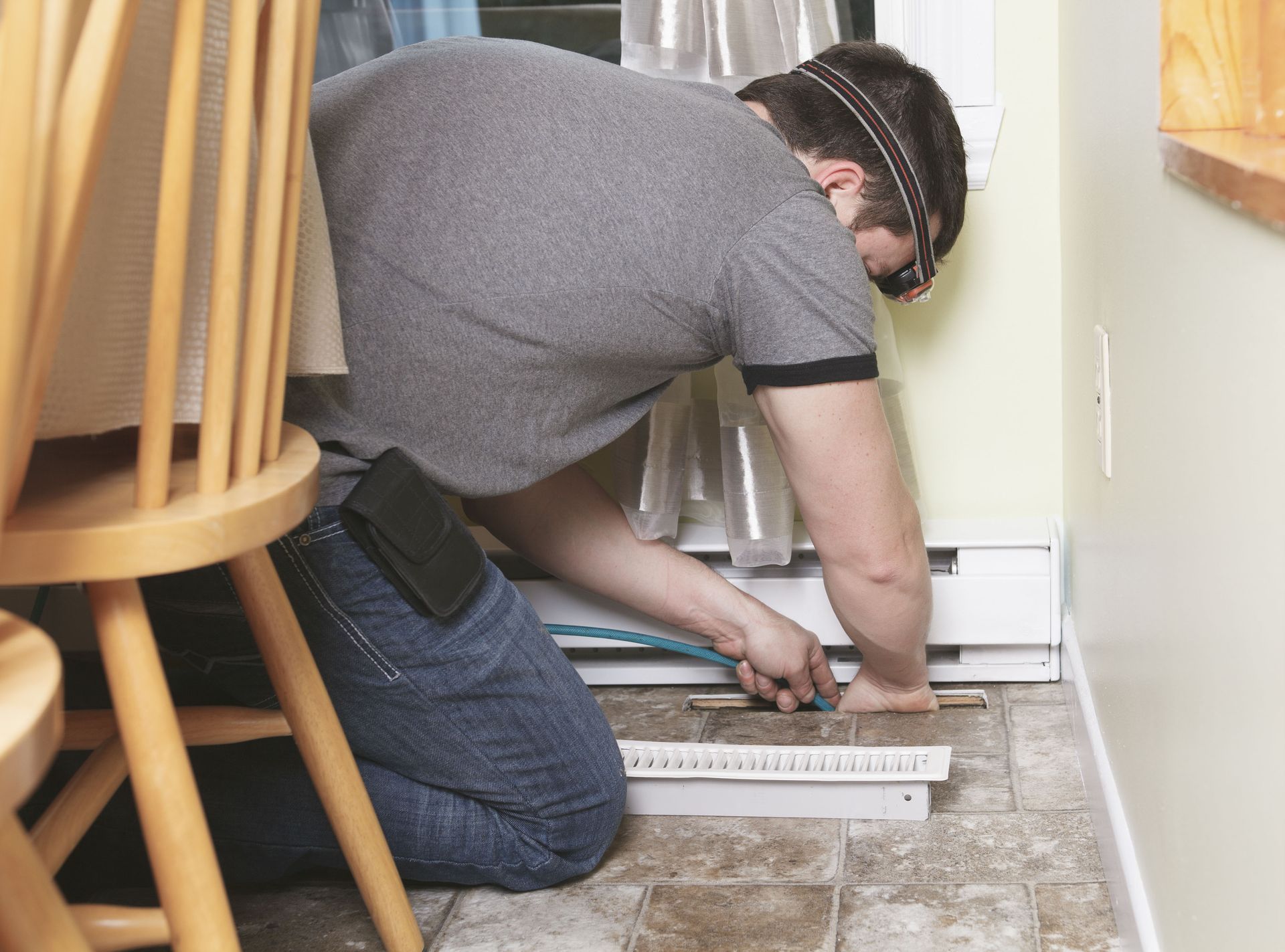
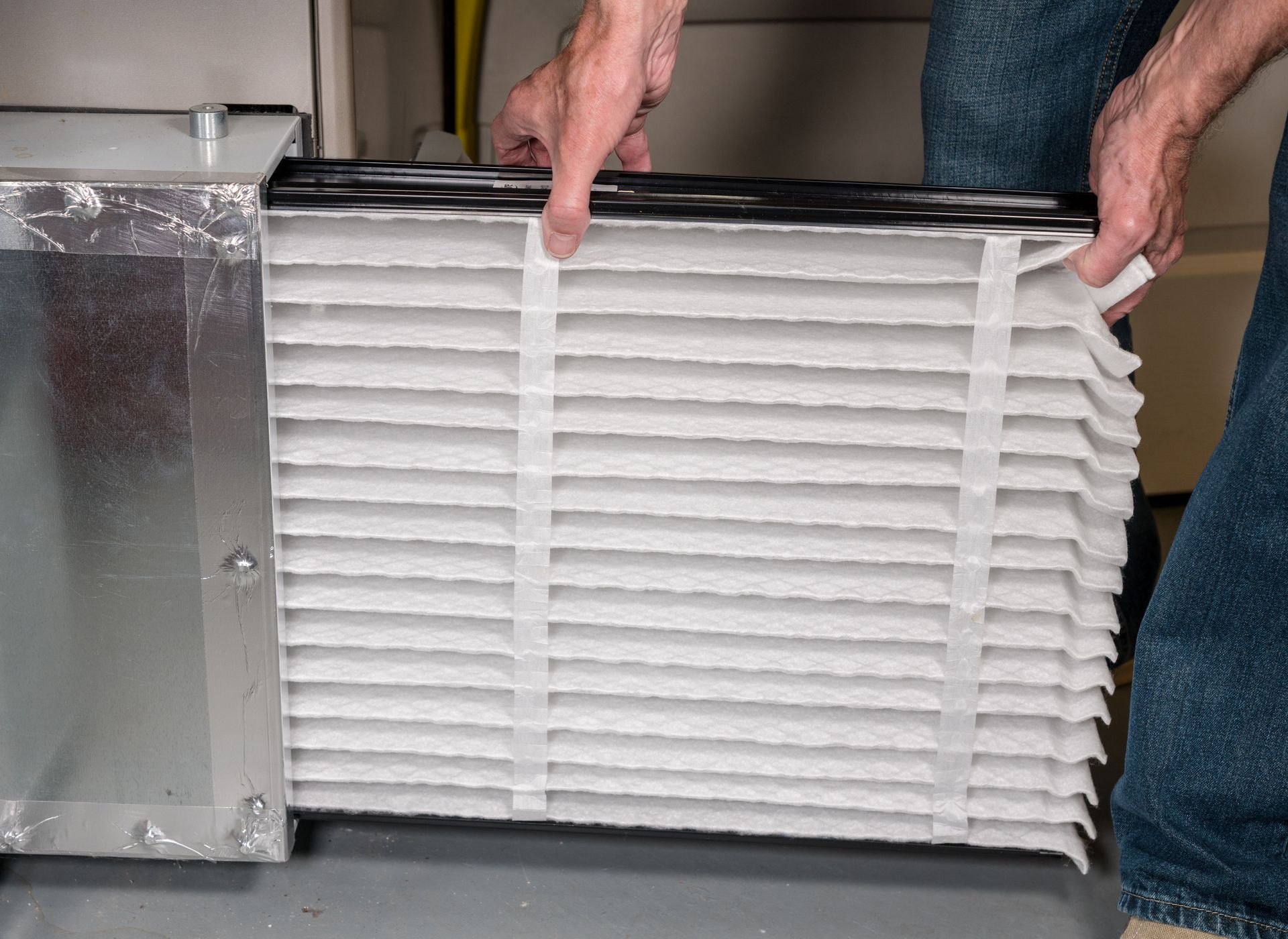
Restricted airflow can interfere with heating performance, place more strain on equipment, and contribute to uneven indoor temperatures. One of the routine tasks performed during a heating tune-up is checking the air filter and replacing it when necessary. Technicians may also inspect accessible return and supply vents, examine the blower compartment, and identify obstructions that could prevent air from circulating effectively.
An HVAC company may recommend additional cleaning when dust and debris accumulate in accessible system components or interfere with airflow. The specific work depends on the equipment's condition, the home's filtration setup, and the extent of any buildup. Keeping filters clean and maintaining unobstructed vents helps the system distribute heated air more effectively, allowing rooms to reach comfortable temperatures without unnecessary strain on the equipment.
Clean Components and Make Necessary Adjustments
Dust, dirt, and other debris can accumulate on heating equipment over time, potentially affecting its operation. Depending on the system, seasonal maintenance may include cleaning accessible components, inspecting the blower assembly, and removing buildup that interferes with normal performance. Technicians may also make manufacturer-approved adjustments to improve operation and correct issues identified during testing.
Regular upkeep can also help homeowners manage energy consumption. According to WifiTalents, heating accounts for approximately 50% of a typical U.S. household's energy use during the winter. Because heating represents such a substantial portion of seasonal household energy consumption, addressing preventable inefficiencies can be worthwhile. Although maintenance cannot guarantee lower utility bills, an HVAC company can identify performance issues that may contribute to unnecessary energy use and recommend practical solutions.
Prepare for Winter Through Maintenance and Repair Planning
Identify Repairs Before Heating Demand Increases
A seasonal tune-up provides an opportunity to address developing issues before the heating system must operate more frequently. After completing the inspection and performance tests, technicians can explain their findings and identify repairs that may be necessary. Recommendations might involve replacing worn components, correcting electrical problems, addressing airflow restrictions, or resolving irregular system cycling.
An experienced HVAC company can also help homeowners distinguish between immediate repair needs and issues that warrant monitoring. For instance, a damaged component affecting safe operation should receive prompt attention, while other findings may allow for planned maintenance based on the equipment manufacturer's guidance. Clear explanations help homeowners understand the reason for each recommendation and make decisions that reflect their budget and comfort requirements.
Review System Age and Replacement Options
Maintenance appointments can reveal when a heating system is approaching the point where replacement deserves consideration. Equipment that requires frequent repairs, struggles to maintain comfortable temperatures, or consumes more energy than expected may benefit from a professional assessment. Technicians can review the system's condition, discuss its repair history, and explain whether continued maintenance or replacement is the more practical option.
When replacement is appropriate, an HVAC company can evaluate the home's heating requirements before recommending new equipment. Factors such as square footage, insulation, existing ductwork, household comfort preferences, and the local climate influence equipment selection. Proper sizing matters because an incorrectly sized system may struggle to maintain consistent temperatures or operate inefficiently.
Establish a Seasonal Maintenance Schedule
Preparing for colder weather should be part of a consistent maintenance routine rather than a one-time task. Many homeowners benefit from scheduling professional heating maintenance in the fall and air conditioning maintenance in the spring. This approach allows technicians to evaluate each system before its period of heavier use and address issues that developed during the previous season.
An HVAC company can also recommend an appropriate maintenance schedule based on the equipment manufacturer's instructions, the system's age, and the property's heating and cooling demands. Between appointments, homeowners should monitor indoor temperatures, listen for unusual sounds, check filters, and pay attention to changes in energy costs. These observations can help identify concerns that deserve professional evaluation.
Preparing your heating system for colder weather involves more than turning up the thermostat when temperatures fall. Professional maintenance includes inspecting essential components, testing performance, improving airflow, checking safety controls, and identifying repairs that could affect winter operation. These steps help homeowners address developing concerns before heating demand increases.
Scheduling a seasonal inspection also provides an opportunity to discuss equipment condition, energy efficiency, and potential replacement needs. By working with a qualified HVAC company before winter arrives, homeowners can make informed maintenance decisions and prepare their heating systems to deliver dependable indoor comfort throughout the colder months.
Contact Four Seasons Air Systems today to schedule heating maintenance and prepare your system for the winter!