December 17, 2025
A well-functioning heating and cooling system is something most homeowners rely on daily, even if they don't think about it often. From staying comfortable in extreme temperatures to keeping indoor air healthy, your HVAC system plays a central role in your home's overall well-being. Yet despite how common these systems are, myths and misunderstandings continue to circulate. According to Forbes, approximately 90% of households in the United States use air conditioning, which means these misconceptions have a widespread effect on how people care for their heating and cooling equipment. When misunderstanding leads to neglect or poor decisions, homeowners can face reduced efficiency, higher utility bills, and unexpected repairs.
Clearing up these myths is key to making informed decisions about maintenance, upgrades, and repairs. Whether you're working with a trusted HVAC company, researching ways to lower your monthly energy costs, or preparing for future system replacements, the right information empowers you to get the most from your HVAC investment. Below, we break down a few of the most common misconceptions about HVAC systems and explain what homeowners should really know.
Misconception 1: Bigger HVAC Systems Deliver Better Performance
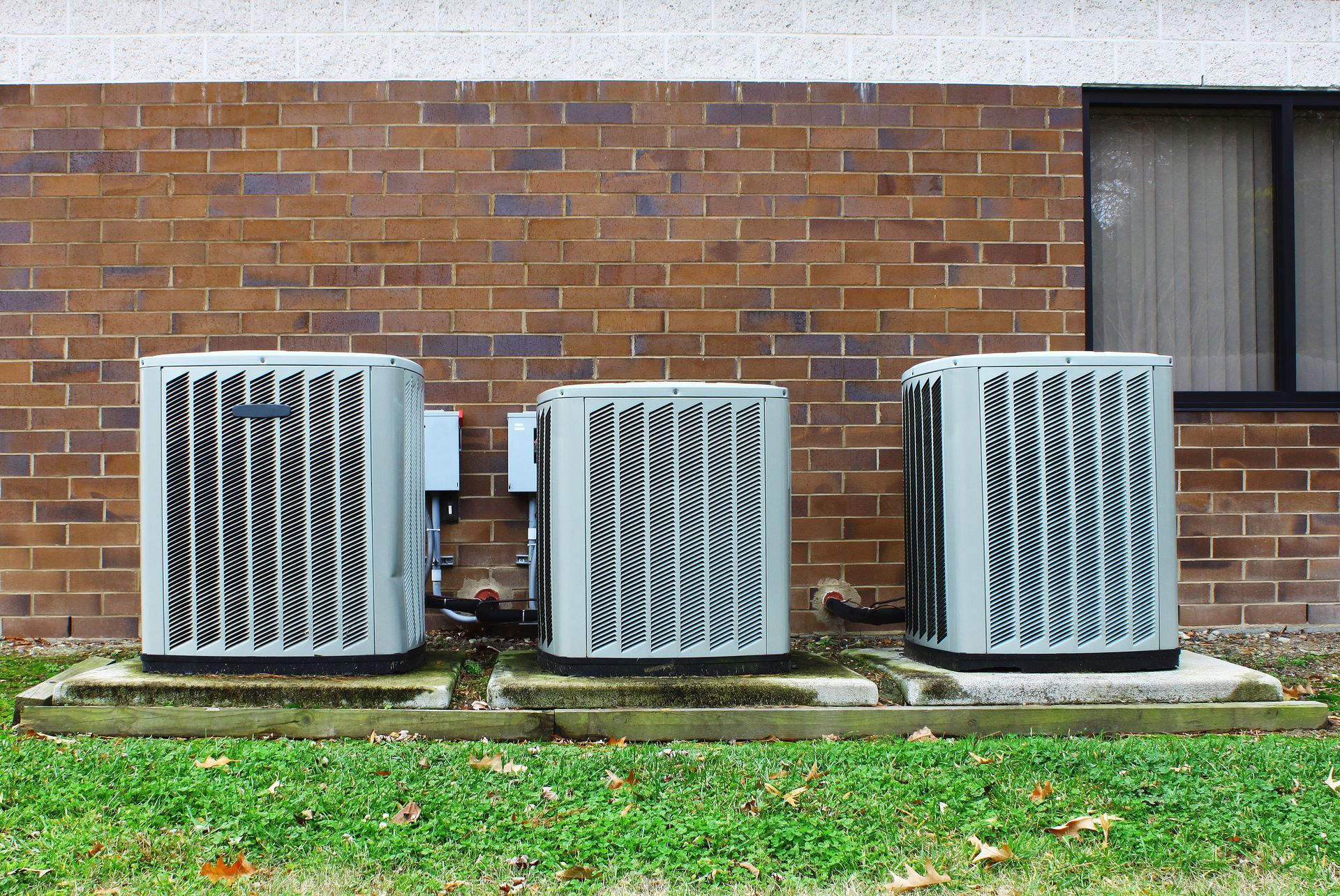
Many homeowners assume that a larger heating or cooling system will produce faster, stronger, or more effective temperature control. In reality, an oversized unit can work against your comfort. Systems that are too large for the space tend to short-cycle and turn on and off too frequently. This not only wastes energy but also puts unnecessary strain on components, shortening the lifespan of the system.
A properly sized HVAC system is essential for consistent temperatures and efficient operation. A reputable HVAC company performs detailed load calculations before recommending a new unit to make sure it aligns with the size and needs of the home. Instead of focusing on bigger, homeowners should focus on better, which means a system tailored specifically to the property's layout, insulation, and usage patterns.
Oversized systems can also create humidity problems. Because they cool or heat a space so quickly, they often shut off before properly dehumidifying the air in the home. This can leave rooms feeling clammy or sticky during warm months and contribute to mold or mildew growth over time. A correctly sized system not only balances temperature but also maintains appropriate indoor humidity levels, enhancing overall comfort and protecting your home's structure.
Misconception 2: HVAC Systems Only Need Attention When Something Breaks
It's a common belief that HVAC equipment only requires service when a problem occurs. However, heating and cooling systems are just like cars; they need routine upkeep to operate safely and efficiently. Waiting until something breaks often leads to more extensive and expensive repairs.
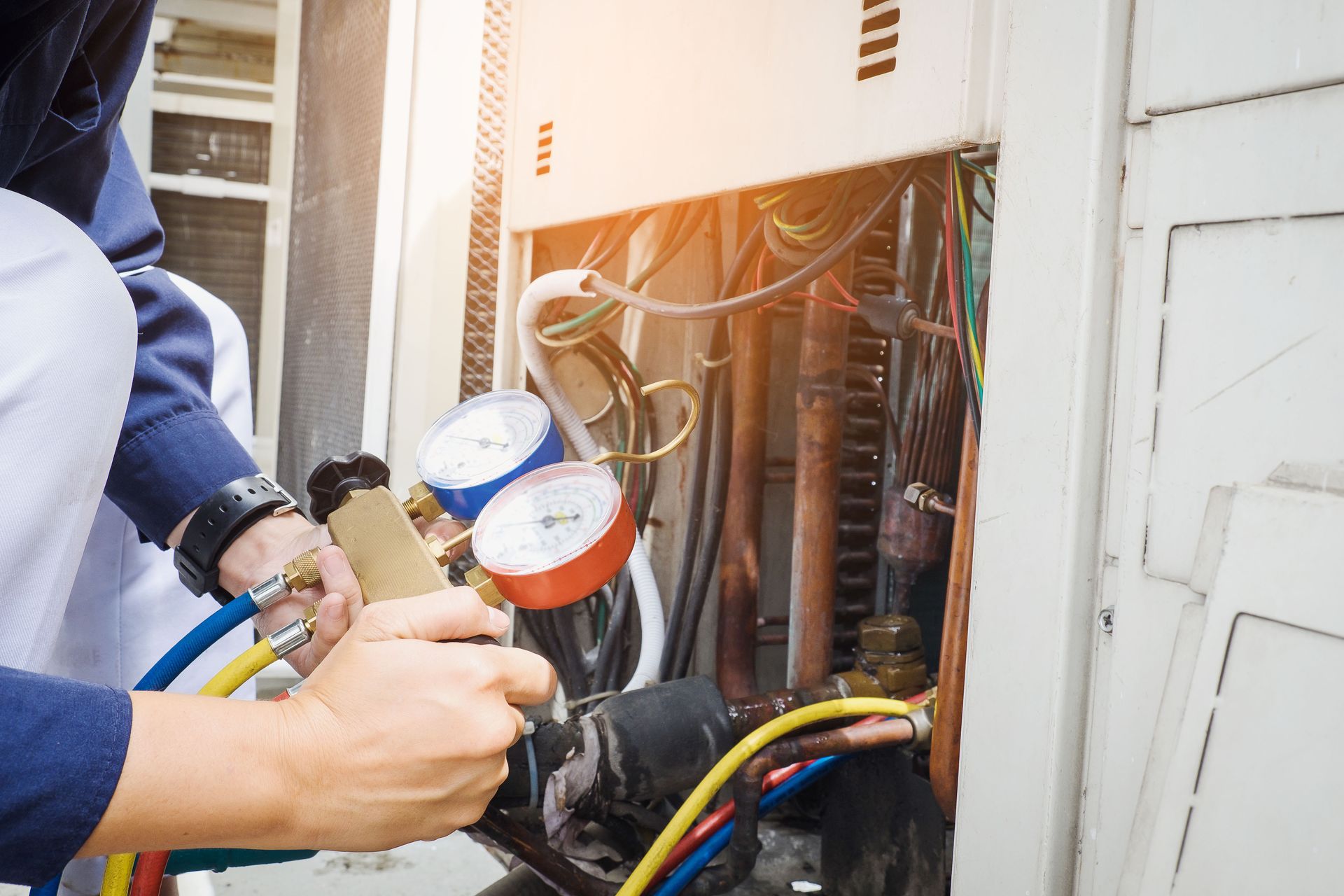
Preventive maintenance helps catch small issues before they develop into major problems. Clean coils, proper refrigerant levels, and well-lubricated moving parts are crucial for optimal performance. That's why every reliable HVAC company recommends annual tune-ups. Regular maintenance not only prevents breakdowns but also reduces energy usage and keeps indoor air quality in check.
Misconception 3: Closing Vents in Unused Rooms Saves Energy
Many homeowners believe that shutting vents in unused rooms will lower utility bills. Unfortunately, this tactic can actually cause the opposite effect. HVAC systems are designed to distribute air through a balanced network of ducts. When vents are closed, pressure increases within the ductwork, causing more strain on the blower motor. This can lead to leaks, higher energy consumption, and even premature system failure.
Instead of closing vents, homeowners should consult an HVAC company about zoning options, smart thermostats, or ductwork adjustments that can help manage airflow more efficiently. Modern solutions allow you to control temperatures in individual areas without risking damage to your system.
Misconception 4: Air Filters Only Need to Be Changed Once a Year
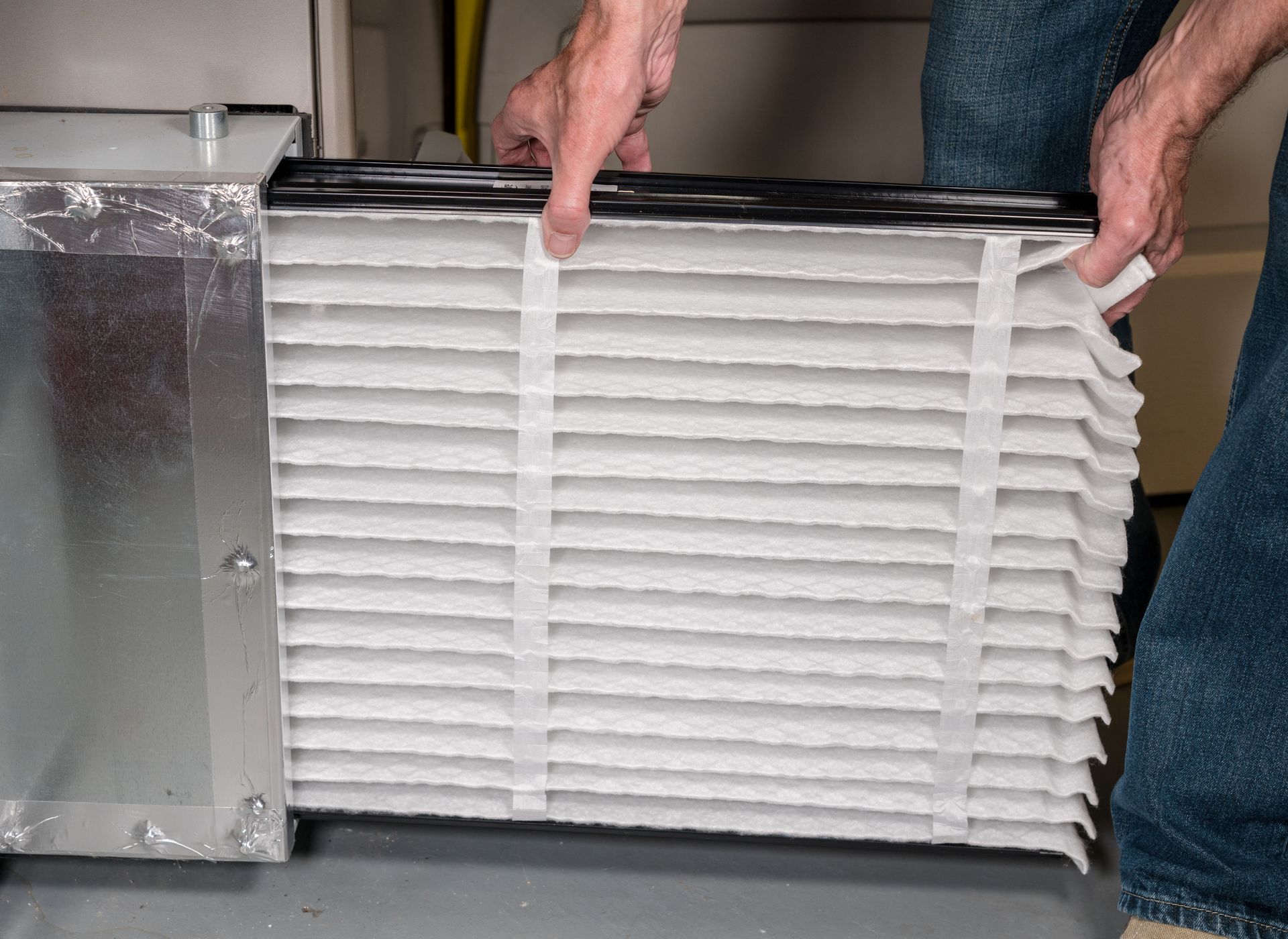
Air filters are one of the most important, and most overlooked, components of an HVAC system. Many people think these filters only need to be replaced annually, but this is almost never the case. In most homes, filters should be changed every 30 to 90 days, depending on factors like pets, allergies, indoor activities, and the type of filter being used.
A clogged or overly dirty filter restricts airflow, forcing the system to work harder to circulate air. This not only increases energy bills but also reduces indoor air quality. An HVAC company can recommend the right type of filter for your household's needs and help you determine an appropriate replacement schedule. Keeping air filters clean is one of the simplest and most cost-effective ways to protect your HVAC investment.
Misconception 5: Thermostat Location Doesn't Matter
Your thermostat acts as the “brain” of your HVAC system, collecting temperature readings and telling your equipment when to cycle on or off. If the thermostat is installed in the wrong spot, such as near direct sunlight, drafts, kitchens, or appliances that give off heat, it can produce inaccurate readings. That means your system may run too long or shut off too early, creating inconsistent comfort and increasing energy waste.
Placement matters more than many homeowners realize. A qualified HVAC company understands how to position a thermostat for the most accurate readings. Ideally, it should be centralized, away from heat-producing appliances, and located on an interior wall. If your thermostat seems to trigger heating or cooling at odd times, the location could be the real issue.
Misconception 6: HVAC Systems Don't Affect Indoor Air Quality
Some people assume that their HVAC system's only job is to heat and cool the home. In reality, it plays a major role in indoor air quality. Dust, pollen, pet dander, and pollutants continuously cycle through the air. Without proper filtration and ventilation, these contaminants can accumulate inside your home and trigger allergies or respiratory discomfort.
Your HVAC system helps control humidity, filtration, and circulation, which are three factors essential to healthy indoor air. Many modern systems even support advanced filtration options or integrate with air purifiers. Speaking with an HVAC company about upgrading filters, inspecting ductwork, or improving humidity control can significantly enhance the quality of the air you breathe. For households with asthma, pets, or allergies, these improvements can be particularly beneficial.
Misconception 7: All HVAC Companies Offer the Same Quality of Service
Many homeowners assume that all heating and cooling companies provide similar services, pricing, and expertise, but that couldn't be further from the truth. The quality of work varies widely between providers. Some companies rely on experienced, certified technicians and prioritize long-term performance. Others may cut corners, offer incomplete diagnostics, or push unnecessary upgrades.
Choosing the right HVAC company can make the difference between years of reliable comfort and recurring problems. A reputable provider offers transparent pricing, thorough inspections, detailed explanations, and honest recommendations. They'll also prioritize system longevity and customer satisfaction rather than quick fixes. When selecting a service provider, homeowners should look for strong reviews, proper licensing, emergency service options, and clear communication.
With so many households relying on heating and cooling systems every day, it's no surprise that HVAC myths continue to circulate. But better understanding how these systems really work can help homeowners make smarter decisions about maintenance, repairs, and replacements. From choosing the right system size to understanding how air filters, thermostats, and airflow affect performance, clearing up these misconceptions helps you protect your investment and stay comfortable year-round. Partnering with a knowledgeable HVAC company like Four Seasons Air Systems ensures that you receive reliable guidance and long-lasting solutions tailored to your home. Reach out to us today to get started with a free same-day estimate!