January 26, 2026
The advent and evolution of air conditioning and heating systems have significantly shaped modern civilization. These technologies are pivotal in providing comfort and supporting productivity in residential, commercial, and industrial settings. As we explore their historical developments, it becomes clear how systems transitioned from rudimentary tools to sophisticated, smart designs that are integral to modern architecture. This article traces the journey of climate control technologies, highlighting crucial advancements over the centuries. According to industry research, the study of past innovations provides valuable insights into today’s practices and future trends in comfort solutions.
Early Climate Control Techniques in Ancient Times
In the ancient world, regulating indoor temperatures depended heavily on natural elements and inventive design. Architects used building orientation to capture prevailing winds, while thick walls provided thermal mass to stabilize interior environments. The Indus Valley Civilization included open courtyards for airflow, and Egyptians used light-colored stone to reduce heat absorption. These methods emphasized passive cooling and heating techniques. Among the most notable advances was the Roman Hypocaust system around 80 B.C., where heated air traveled beneath floors to warm homes and bathhouses. Such ingenuity marked the first organized steps toward controlled indoor climates.
Ancient Civilizations and Their Ingenuity
Ancient Egyptian and Mesopotamian civilizations showed impressive creativity in addressing extreme weather conditions. Egyptians cooled spaces by hanging wet reeds in windows, an early form of evaporative cooling, while Mesopotamians relied on thick mud brick walls to regulate daily temperature shifts. The Roman Empire further advanced heating through widespread Hypocaust systems in public and private buildings, highlighting an early mastery of thermal management. In parallel, China introduced kang heated-bed systems that combined residential comfort with cooking functions. Though distinct in design, these innovations shared a global emphasis on improving living standards through controlled heating and cooling.
Passive Cooling and Heating Strategies
Passive methods also became central across cultures, integrating local materials with architectural features. Ancient Greeks designed shaded gathering places like agoras for public comfort, and Mediterranean homes used thick walls to delay heat transfer. Native American pueblos constructed with clay and straw offered natural insulation, while Middle Eastern architects developed wind towers that funneled breezes indoors. South Asian courtyards stimulated circulation, and in India, water channels created evaporative cooling in temples and palaces. These strategies showcased how civilizations applied regional adaptations to balance form, function, and comfort in sustainable ways long before mechanical systems emerged.
Architectural Influence on Temperature Regulation
Architecture consistently shaped how societies controlled indoor climates. Ancient Greeks and Romans incorporated ventilation strategies into structures, while Persian and Islamic builders employed latticework and domes to balance light, airflow, and shading. Castles in medieval Europe featured thick stone walls that stored solar heat by day and released it by night, moderating indoor temperatures. Southeast Asian homes used verandas and terraces to create transitional spaces, while Roman atriums encouraged air exchange through open roofs. These design principles demonstrated that architecture was more than aesthetics—it was a key mechanism for climate control that still inspires sustainable construction today.
The Shift Toward Mechanical Solutions
The Industrial Revolution marked a turning point as urbanization demanded scalable heating and cooling technologies. Steam heating systems became common in factories, public buildings, and homes, distributing heat more effectively than fireplaces. By the mid-19th century, steam radiators were widely used, made possible by advances in metallurgy and engineering. For cooling, inventors explored ice harvesting and early refrigeration. In 1877, Lord Kelvin proposed vapor-compression cooling, paving the way for mechanical air conditioning. These experiments demonstrated a move from passive reliance on natural resources to engineered solutions capable of delivering consistent indoor comfort in growing cities.
The adoption of steam heating dramatically improved living conditions in crowded urban centers. Before these innovations, families often relied on a single fireplace to heat small portions of their homes, leaving other rooms uncomfortably cold. Steam systems made it possible to distribute warmth evenly throughout large buildings, which not only improved comfort but also reduced health risks associated with damp, chilly interiors. Public institutions such as hospitals and schools particularly benefited, as more reliable heat contributed to better sanitation and recovery environments.
Cooling experiments during this era also reflected the growing demand for year-round indoor comfort. Ice harvesting, while effective for food preservation, was labor-intensive and seasonal, highlighting the need for alternatives. Early refrigeration concepts laid the groundwork for safer food storage and the eventual rise of climate-controlled environments. These innovations weren’t just about comfort—they supported industrial progress by protecting materials, extending shelf life, and enabling more diverse diets in rapidly expanding cities. In this way, heating and cooling technologies played a crucial role in supporting the economic and social transformations of the 19th century.
Breakthroughs in the 19th and 20th Centuries
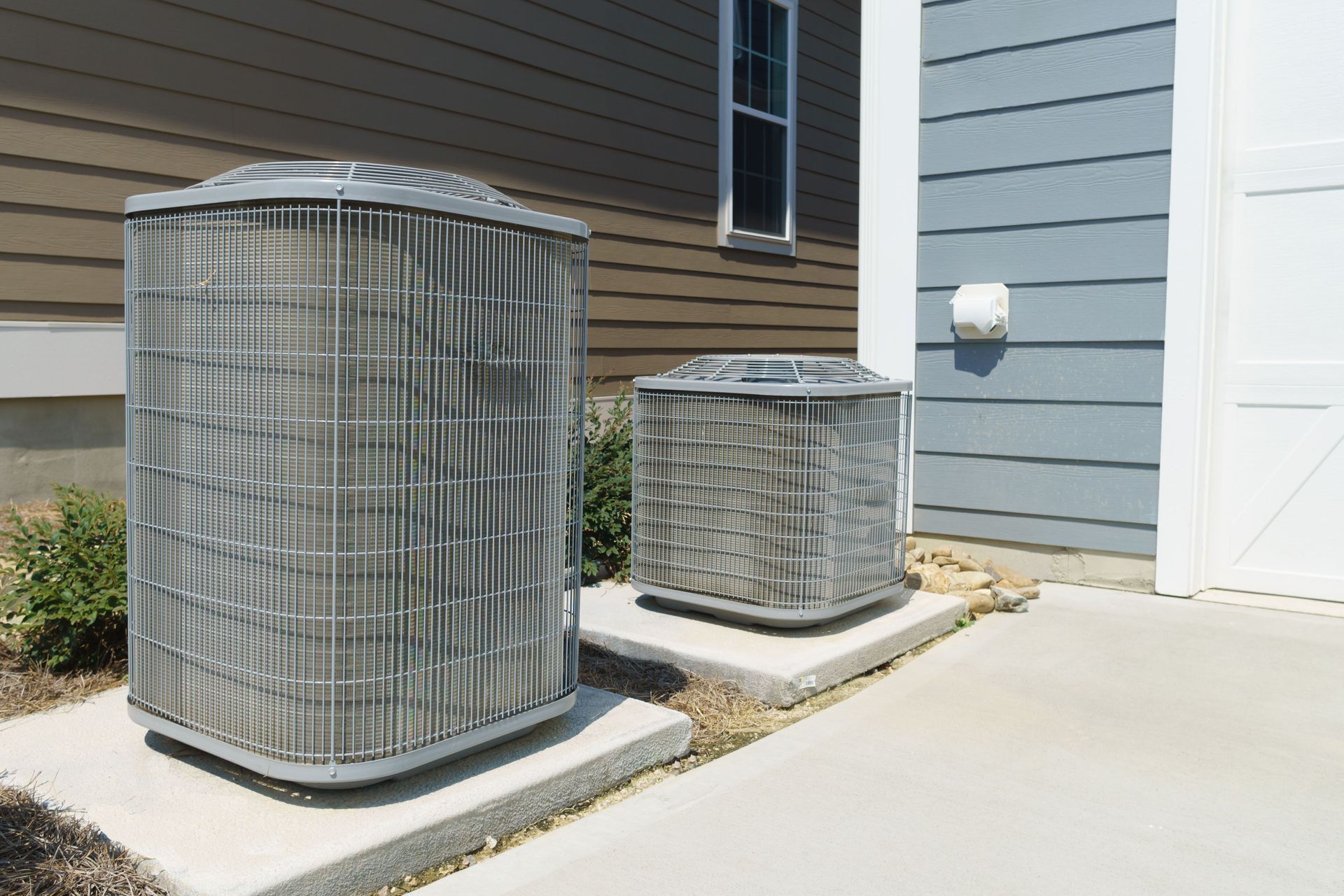
The late 19th century introduced the thermostat, invented by Andrew Ure and advanced by Warren S. Johnson, giving households greater control over heating. Thermostats soon became integral to both heating systems and refrigeration. Mechanical cooling also advanced: Willis Carrier’s 1902 design is recognized as the first modern air conditioning system, created to stabilize humidity in a printing facility. His innovation spread quickly to theaters, department stores, and eventually residential homes. By the 20th century, both heating and air conditioning technologies had moved from novelty to necessity, reshaping architecture, migration patterns, and quality of life.
The widespread adoption of these technologies also revolutionized industrial production. Factories that once struggled with excessive heat or cold could now maintain steady conditions, allowing for year-round manufacturing efficiency. This consistency not only boosted productivity but also improved worker safety and comfort, laying the foundation for modern labor practices. Industries such as textiles, pharmaceuticals, and food storage became heavily dependent on regulated indoor environments, demonstrating the broader economic impact of these breakthroughs.
In residential life, heating and cooling systems began to redefine where people could comfortably live. Areas once considered too hot or humid, such as the American South, experienced population growth as air conditioning made homes and businesses viable in these regions. Meanwhile, central heating allowed residents in colder climates to enjoy greater comfort without the constant labor of maintaining multiple fireplaces. These changes influenced migration patterns, urban development, and even cultural trends, showcasing how climate control transformed society beyond just comfort.
The Lasting Impact of HVAC Pioneers
The pioneers of heating and cooling systems—figures like Carrier, Alfred Wolff, James Joule, and Lord Kelvin—laid the groundwork for the HVAC industry. Carrier’s principles remain at the core of today’s air conditioning units, while Wolff’s large-scale designs transformed public spaces such as the New York Stock Exchange. Their innovations, combined with wartime advancements in reliability and efficiency, fueled rapid adoption in the post-war era. By the mid-20th century, centralized systems became common in homes and businesses, setting the stage for the integrated, efficient, and sustainable solutions that continue to evolve today.
The history of air conditioning and heating systems illustrates humanity’s persistent pursuit of comfort, from ancient passive cooling methods to today’s advanced mechanical solutions. Each era contributed innovations that shaped not only how people lived but also how cities grew and economies developed. According to industry studies, the integration of smart technology into HVAC systems will continue to drive the future of climate control, enhancing both efficiency and sustainability.
If you're seeking reliable comfort solutions for your home or business, reach out to Four Seasons Air Systems. With proven experience and dedication, they're here to help you achieve the perfect indoor environment. Contact Four Seasons Air Systems today to learn how modern technology can transform your space into a haven of comfort.