February 18, 2026
Managing household energy costs has become a priority for many homeowners as utility expenses continue to rise. One of the most effective ways to reduce monthly bills without sacrificing comfort is by controlling how and when your heating and cooling system operates. Thermostat management plays a central role in this process, influencing energy use every day in ways that often go unnoticed.
By learning how thermostats function and how to use them strategically, homeowners can make small adjustments that lead to meaningful savings over time. Pairing smart thermostat habits with support from local AC services can further improve system efficiency, helping homes stay comfortable while keeping costs under control.
Understand Your Thermostat Operation
Thermostats serve as the communication link between your home and your heating and cooling system. Whether a home uses a basic programmable model or a more advanced smart option, the thermostat determines when the system runs and for how long. Understanding this relationship is essential for making informed adjustments that support efficiency.
Different thermostat styles offer varying levels of control. Programmable and smart models allow scheduled changes throughout the day, while traditional versions rely on manual input. Smart thermostats go a step further by learning habits and adjusting automatically, which can reduce unnecessary system runtime. Homeowners who work with local AC services often find that selecting the right thermostat improves performance without requiring major system upgrades.
Set Temperatures Strategically
Setting consistent, reasonable temperature ranges is one of the most effective ways to control energy costs. Constantly pushing systems to extreme comfort levels forces equipment to work harder, increasing energy use and wear. Small adjustments made intentionally throughout the day can significantly reduce strain on the system.
Many homeowners are already rethinking how they use their thermostats. According to DuraPlus, although many people say they prefer to keep their homes at a cool 70 degrees, more than 75% have adjusted their cooling habits due to rising costs tied to inflation. This shift reflects a growing awareness that comfort and efficiency can coexist when thermostat settings are managed thoughtfully, especially with guidance from local AC services.
Program Schedules That Match Daily Routines
Programming a thermostat to align with daily routines helps eliminate wasted energy during periods when no one is home. Instead of relying on constant manual changes, scheduled settings ensure heating and cooling only occur when needed. This approach creates consistency while preventing systems from running unnecessarily.
Weekday and weekend schedules often differ, and thermostats can be programmed to reflect those patterns. Homes that remain occupied during weekends may benefit from steadier settings, while weekday schedules can accommodate work and school hours. Local ac services frequently recommend reviewing these programs seasonally to ensure they still match household routines and comfort expectations.
Use Smart Thermostat Features Wisely
Smart thermostats offer tools that go beyond basic scheduling, giving homeowners greater insight into energy usage and system performance. Remote access allows temperature adjustments from anywhere, helping prevent energy waste when plans change unexpectedly. Usage reports and performance summaries highlight patterns that may otherwise go unnoticed, enabling homeowners to make informed adjustments that improve efficiency over time.
Integration with other smart home devices can further enhance efficiency by creating a more responsive indoor environment. Occupancy sensors detect when rooms are in use and signal the thermostat to adjust temperatures accordingly, while smart blinds can reduce heat gain or loss based on sunlight exposure. Voice controls add convenience, making it easier to manage settings without disrupting daily activities. When installed and calibrated correctly by local AC services, these connected features operate as a unified system that balances comfort, energy savings, and long-term cost control.
Avoid Common Thermostat Mistakes
One of the most common mistakes homeowners make is frequently changing thermostat settings in response to temporary discomfort, such as a brief temperature swing or a crowded room generating extra heat. These constant manual adjustments override programmed schedules and prevent the system from operating in a steady, efficient manner. Over time, this stop-and-start behavior increases energy use and places added strain on HVAC components. Allowing a well-designed thermostat program to run consistently helps maintain balanced temperatures while reducing unnecessary system cycling and long-term wear.
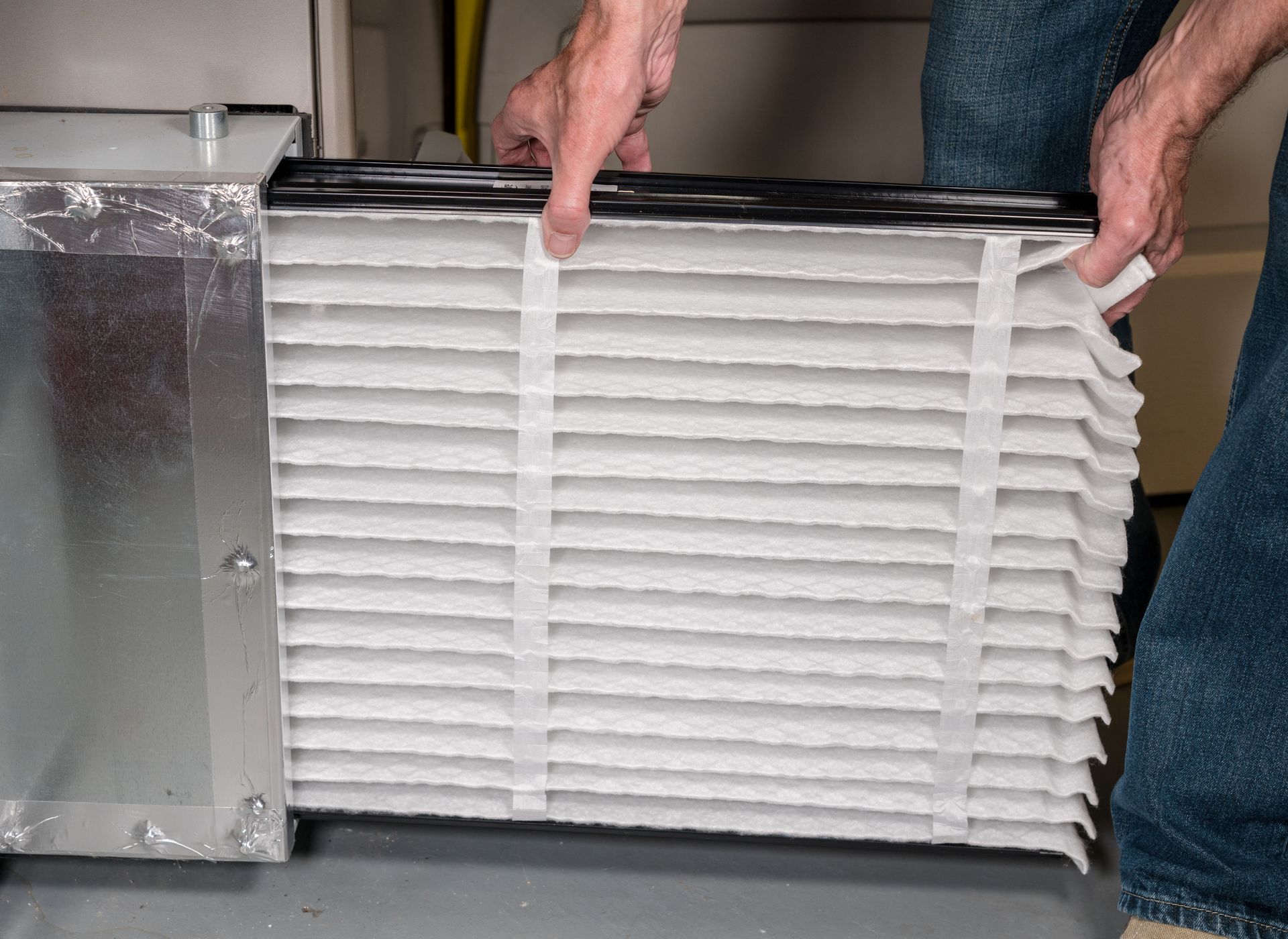
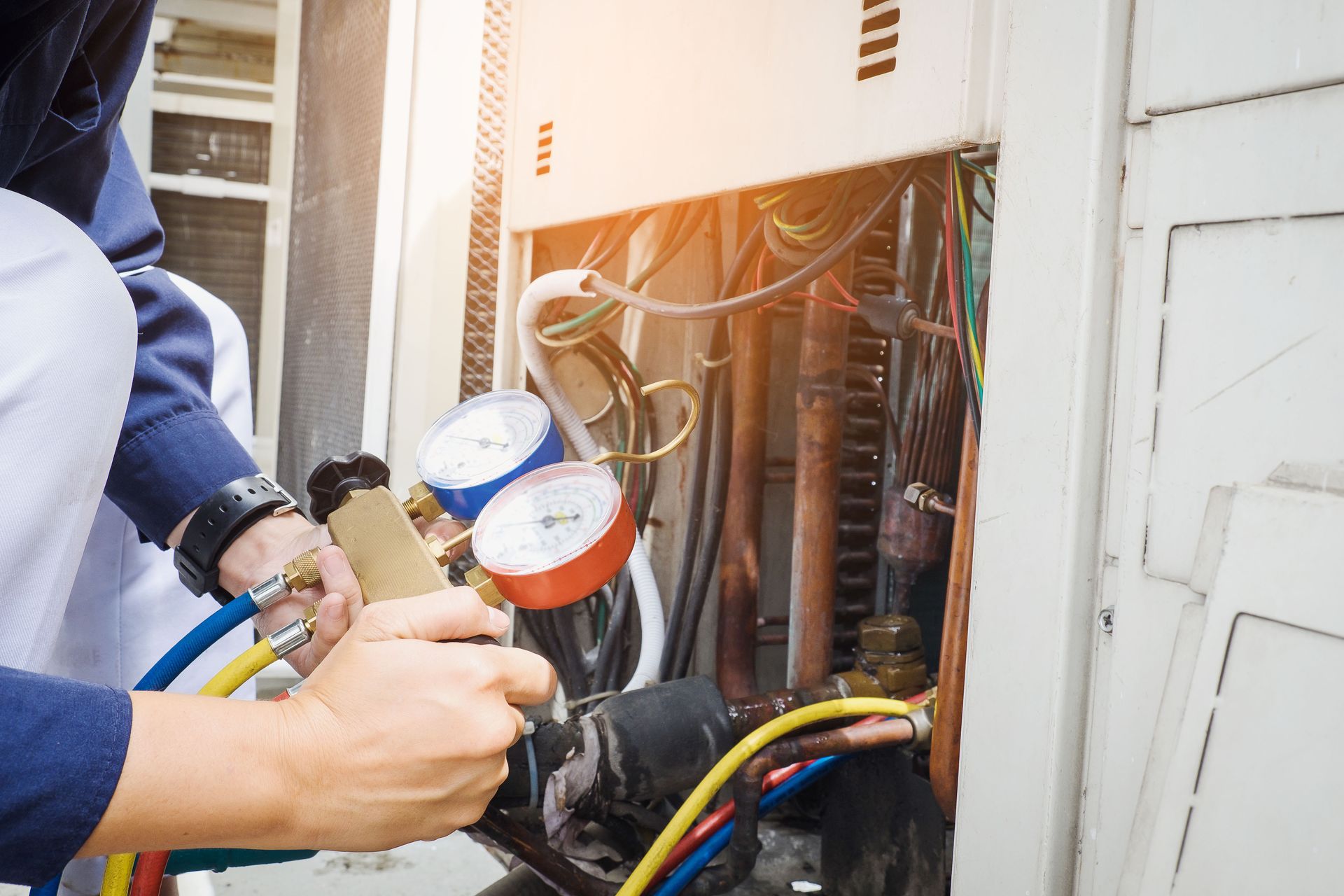
Another issue is neglecting regular system maintenance, which directly affects how accurately a thermostat can regulate indoor comfort. Dirty air filters restrict airflow, aging components respond more slowly, and calibration issues can cause the thermostat to misread actual conditions. When the system is not maintained, even precise thermostat settings may produce inconsistent results. Partnering with local AC services for routine inspections ensures both the thermostat and HVAC equipment remain properly aligned, helping prevent wasted energy, improve reliability, and extend the overall lifespan of the system.
Improve Overall Home Efficiency
Thermostat control works best when supported by a well-sealed and insulated home that minimizes unnecessary heat loss and air infiltration. Gaps around windows and doors, poorly insulated attics, and unsealed ductwork allow conditioned air to escape, forcing systems to run longer to maintain the desired temperature. Sealing these weak points helps stabilize indoor conditions, allowing the thermostat to regulate comfort more accurately and reducing the frequency of system cycling. Over time, improving insulation and addressing drafts not only enhances thermostat performance but also contributes to quieter operation and more consistent temperatures throughout the home.
Natural heating and cooling methods can also reduce reliance on mechanical systems by taking advantage of existing environmental conditions. Adjusting window coverings to block direct sunlight during hot afternoons or allowing sunlight to warm interior spaces during cooler periods can lessen the workload on HVAC equipment. Opening windows strategically during mild weather encourages cross-ventilation, which helps refresh indoor air without overusing cooling systems. When paired with insights from local AC services, these everyday habits support thermostat efficiency while helping homeowners maintain a comfortable, energy-conscious living space year-round.
Coordinate Thermostat Use With System Design
Homes with multiple living areas often benefit from zoning strategies that allow different spaces to be conditioned independently, improving comfort and reducing wasted energy. By dividing a home into distinct zones, heating and cooling can be delivered based on how each area is actually used, rather than applying one temperature setting across the entire house. Even in homes without dedicated zoning equipment, strategic thermostat programming can help compensate for varying occupancy patterns, ceiling heights, and sun exposure that naturally create temperature differences between rooms.
Thermostats should be located away from direct sunlight, drafts, and heat-producing appliances to ensure accurate readings and consistent system performance. Poor placement can cause the system to turn on or off unnecessarily, leading to uneven comfort and higher energy costs. Professional guidance from local AC services can help determine ideal thermostat placement and fine-tune settings based on the home’s layout, reducing false readings that trigger excess system cycling and place avoidable strain on HVAC components.
Lowering energy bills does not require sacrificing comfort or investing in major equipment changes. By understanding how thermostats work, programming schedules that reflect daily routines, and avoiding common mistakes, homeowners can significantly reduce energy use over time. Smart features, proper maintenance, and whole-home efficiency improvements all contribute to better results.
When thermostat strategies are paired with professional insight, the benefits become even more noticeable. If you are ready to take control of your energy costs and improve system performance, contact us at Four Seasons Air Systems. We will help you make the most of your thermostat and the local AC services that support long-term comfort and savings.