Air conditioning is no longer a luxury for most homeowners—it is a baseline expectation for comfort, health, and productivity. According to Forbes, nearly 90% of households in the United States use air conditioning, which means millions of systems are working hard every day to regulate indoor temperatures. With that level of reliance, proper maintenance is not optional; it is essential to performance, efficiency, and long-term cost control. A well-maintained system cools more effectively, consumes less energy, and is far less likely to fail during peak summer demand.
Many homeowners underestimate how much routine care impacts system lifespan and operating costs. Small issues such as clogged filters or neglected coils can quietly degrade performance over time, leading to higher utility bills and unexpected repairs. While some tasks can be handled independently, others require the expertise of AC contractors who understand system diagnostics and manufacturer specifications. The goal of this guide is to walk through practical, proven strategies that help keep your AC system running reliably year after year.
Understanding How Your AC System Operates
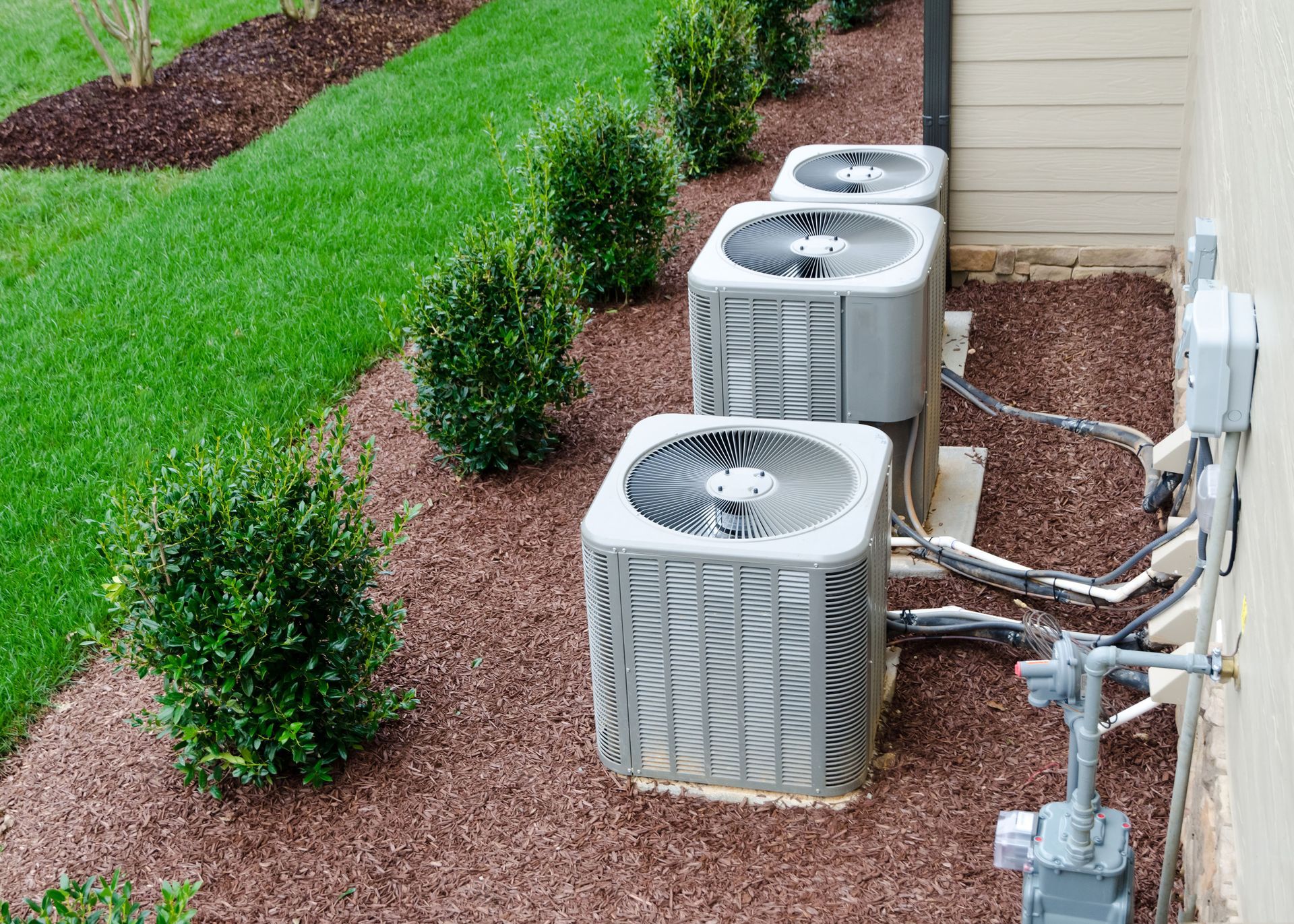
Before discussing maintenance tasks, it is helpful to understand the basic components of a residential air conditioning system. Central AC systems typically include an outdoor condenser unit, an indoor evaporator coil, a compressor, refrigerant lines, and a network of ducts. Each part plays a specific role in removing heat from your home and circulating cooled air back through your living space. When one component underperforms, the entire system's efficiency is affected.
Air conditioning systems rely on precise pressure and temperature balances. Even small deviations—such as low refrigerant levels or restricted airflow—can force the system to work harder than designed. Over time, this extra strain accelerates wear on critical components. This is why experienced AC contractors often emphasize preventative care over reactive repairs; preventing imbalance is significantly cheaper than fixing a system that has been running inefficiently for months or years.
Replacing and Maintaining Air Filters Regularly
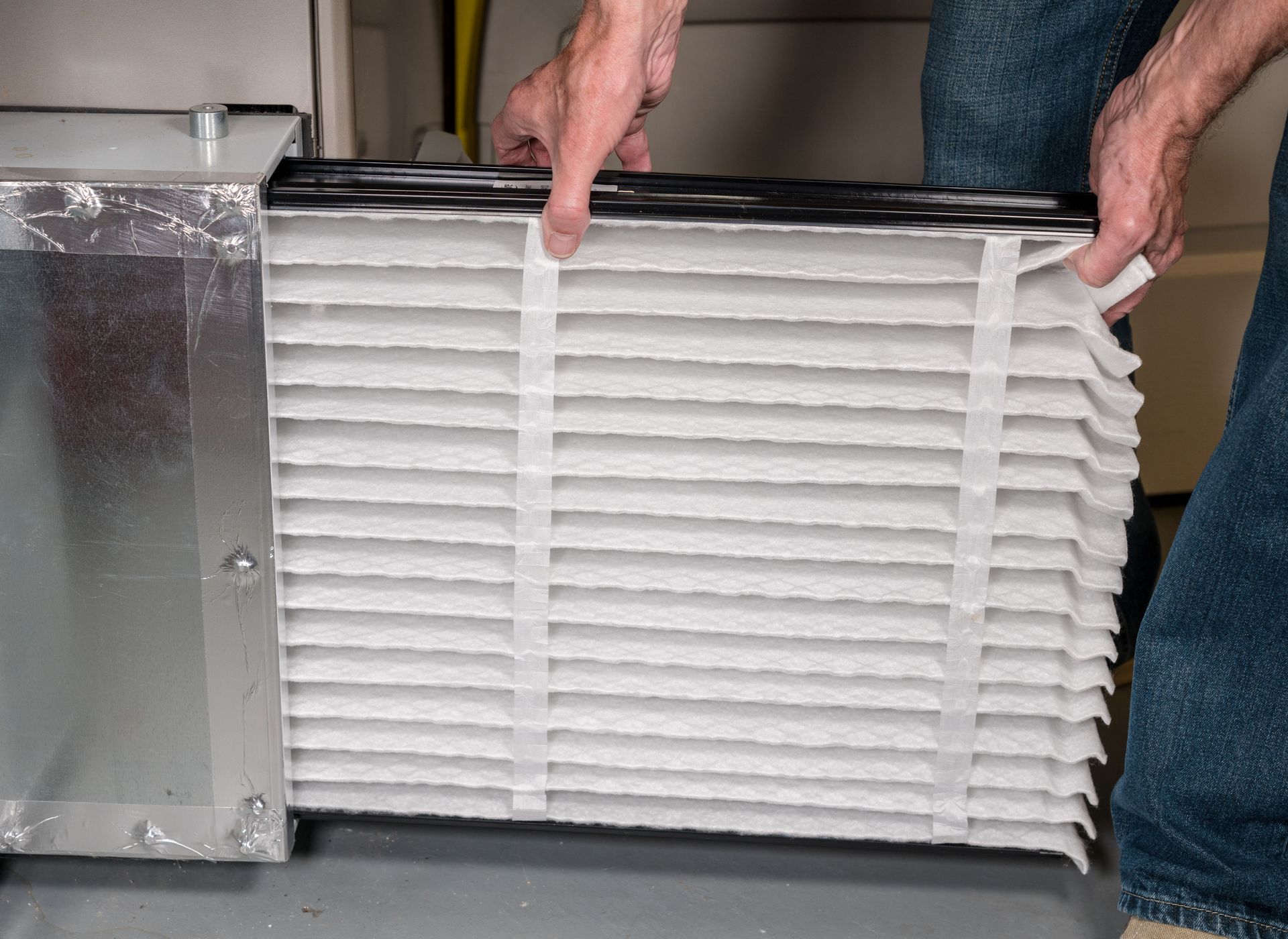
One of the simplest yet most impactful maintenance tasks is replacing or cleaning air filters. Filters trap dust, pollen, pet dander, and other airborne particles before they enter the system. When filters become clogged, airflow is restricted, forcing the system to work harder to achieve the same cooling output. This increased workload directly translates into higher energy consumption and faster component wear.
Most standard filters should be replaced every one to three months, depending on usage, household size, and indoor air quality conditions. Homes with pets or allergy sufferers may require more frequent changes. High-efficiency filters can improve air quality but may also restrict airflow if not properly matched to the system. When in doubt, consulting AC contractors can help ensure the filter type supports both comfort and system performance without unintended side effects.
Keeping Coils and Outdoor Units Clean
Both the evaporator and condenser coils play a critical role in heat transfer. Over time, dirt and debris accumulate on these coils, reducing their ability to absorb and release heat efficiently. Indoor evaporator coils can collect dust if filters are neglected, while outdoor condenser coils are exposed to leaves, grass clippings, and environmental debris.
Homeowners can take basic steps such as gently clearing debris from around the outdoor unit and ensuring there is at least two feet of clearance on all sides. However, coil cleaning often requires specialized tools and cleaning solutions to avoid damage. Professional maintenance performed by AC contractors ensures coils are thoroughly cleaned and inspected for corrosion, leaks, or early signs of failure that are not visible to the untrained eye.
Monitoring Thermostat Performance and Settings
Your thermostat acts as the command center for your entire cooling system. Improper settings or malfunctioning sensors can cause short cycling, inconsistent temperatures, or unnecessary runtime. Programmable and smart thermostats offer significant advantages by adjusting temperatures automatically based on occupancy and time of day, reducing energy waste without sacrificing comfort.
It is important to periodically verify that the thermostat is reading temperatures accurately and responding correctly to setting changes. Batteries should be replaced regularly in non-hardwired models. During system evaluations, AC contractors often test thermostat communication with the AC unit to ensure commands are executed correctly. This step is critical because even a perfectly maintained system will underperform if the thermostat is not functioning as intended.
Inspecting Ductwork for Leaks and Obstructions
Ductwork is frequently overlooked in AC maintenance, yet it plays a major role in overall system efficiency. Leaky or poorly insulated ducts can lose a significant percentage of cooled air before it ever reaches living spaces. This forces the system to run longer to achieve desired temperatures, increasing energy costs and system strain.
Visual inspections can sometimes identify obvious issues such as disconnected ducts or damaged insulation in accessible areas like basements or attics. However, many leaks occur in hidden sections of ductwork. Comprehensive duct inspections performed by AC contractors can identify airflow losses using pressure testing or thermal imaging. Sealing and insulating ducts not only improves comfort but also extends the lifespan of the AC system by reducing unnecessary workload.
Scheduling Professional Maintenance Inspections
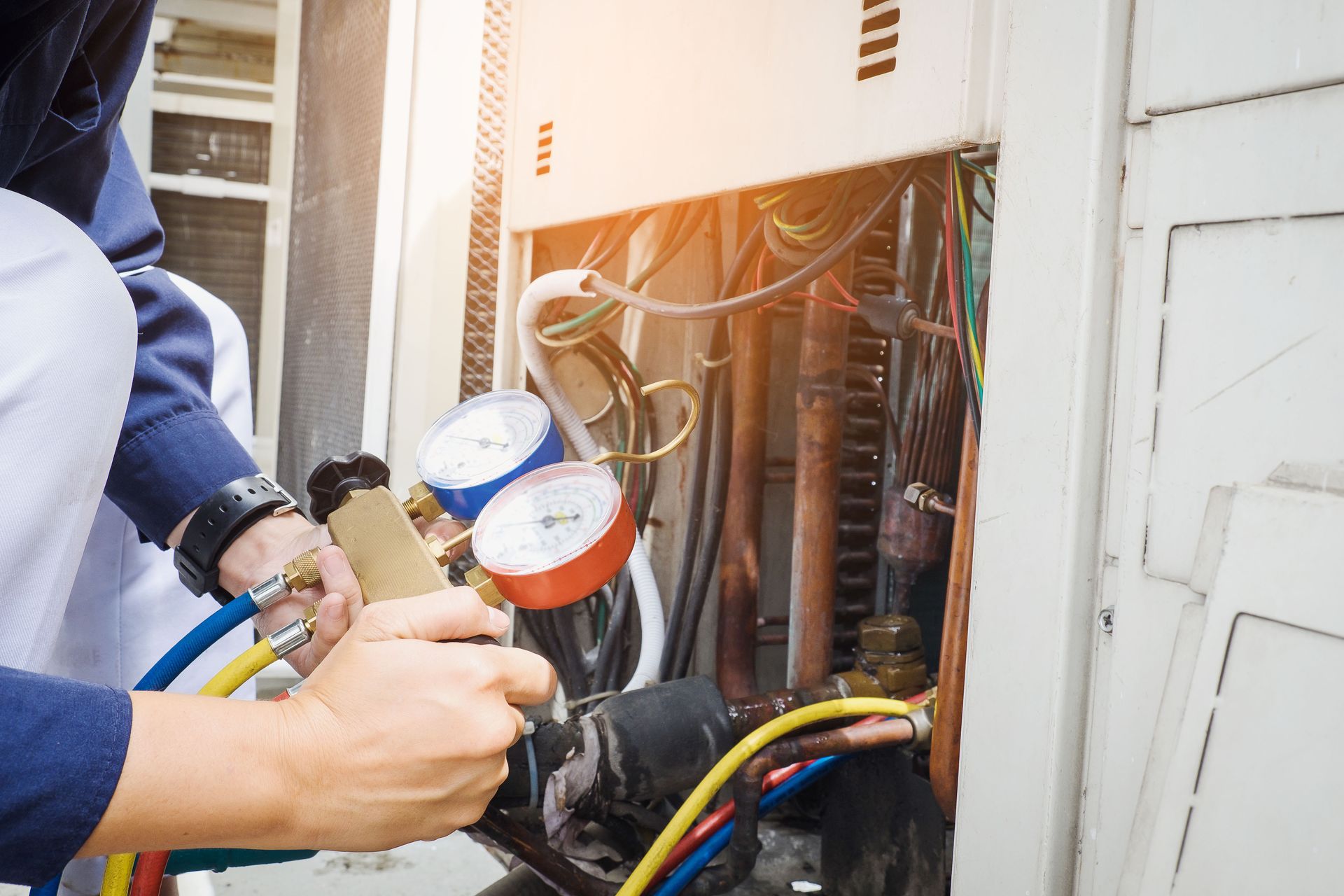
Routine professional maintenance is one of the most effective ways to prevent unexpected breakdowns. Annual or biannual inspections typically include checking refrigerant levels, testing electrical components, lubricating moving parts, and verifying system safety controls. These inspections help catch minor issues before they escalate into major failures during peak cooling season.
Homeowners often delay service until a problem becomes noticeable, but proactive maintenance delivers measurable returns. Systems that receive regular inspections tend to operate more efficiently and experience fewer emergency repairs. Establishing a relationship with qualified AC contractors also ensures service continuity, as technicians become familiar with your system's history and performance patterns over time.
Preparing Your System for Seasonal Changes
Seasonal preparation is essential for maintaining consistent performance. Before the cooling season begins, it is wise to test the system, replace filters, clear outdoor units, and schedule a professional inspection. This proactive approach reduces the risk of system failure during the hottest days of the year when service demand is highest.
At the end of the cooling season, basic shutdown procedures—such as cleaning the outdoor unit and covering it if recommended by the manufacturer—can protect components from winter debris and moisture. AC contractors often provide seasonal checklists tailored to specific system types and climates, ensuring no critical steps are overlooked. Proper seasonal preparation helps maintain efficiency and reliability year after year.
Knowing When to Repair or Upgrade Components
Even with diligent maintenance, components will eventually wear out. Capacitors, contactors, and fan motors are common failure points that may require replacement over time. Addressing these issues promptly prevents secondary damage and keeps repair costs manageable. Ignoring warning signs such as unusual noises, inconsistent cooling, or rising energy bills often leads to more expensive repairs later.
In some cases, upgrading components or the entire system may be more cost-effective than repeated repairs. Modern systems offer improved efficiency, advanced controls, and better humidity management. AC contractors can assess system age, repair history, and efficiency ratings to provide data-driven recommendations that align with your comfort needs and budget.
Maintaining your AC system is an ongoing process that pays dividends in comfort, efficiency, and peace of mind. From routine filter changes to professional inspections, each step contributes to a system that performs reliably when you need it most. Given how integral air conditioning is to modern households, a proactive maintenance strategy is not just smart—it is necessary.
If you want expert guidance and dependable service, we invite you to take the next step with us. At Four Seasons Air Systems, we work closely with homeowners to deliver reliable maintenance, repairs, and long-term solutions that protect comfort and efficiency. Contact us today to schedule a professional evaluation and ensure your AC system is ready for the seasons ahead.