November 21, 2026
Selecting the right capacity for a residential furnace, boiler, or heat pump is a critical step that homeowners frequently overlook during an equipment upgrade. Installing a unit that is too large or too small for your property leads to energy waste, uneven indoor temperatures, higher monthly utility bills, and unnecessary mechanical strain. Replacing a residential heating system represents a major financial commitment, and matching equipment output to your home ensures strong performance, lower operating costs, and reliable longevity. Working alongside knowledgeable heating contractors helps property owners navigate accurate load calculations, avoid common installation pitfalls, and achieve dependable warmth throughout every winter season.
Understand Proper System Sizing
System sizing is the technical process of determining the exact heating capacity required to keep a residential living space comfortable during cold winter weather. Rather than relying on rough estimates, proper sizing evaluates square footage, insulation quality, window efficiency, house orientation, local climate conditions, and household occupancy habits. Aligning equipment output with these specific building characteristics prevents the system from working too hard or wasting fuel. When a furnace or heat pump matches the thermal demands of the structure, it delivers steady warmth while keeping energy usage under control.
Many residential heating units end up mis-sized because installers rely on outdated rules of thumb or prioritize fast replacements over thorough measurements. Homeowners also fall into the trap of assuming that a larger unit automatically delivers superior warmth, or that houses with similar floor plans require identical equipment capacities. Experienced heating contractors recognize that differences in air sealing, ceiling height, duct design, and regional weather dramatically alter heating requirements. Relying on accurate building data rather than guesswork protects homeowners from costly performance problems right from the start.
Improve Household Energy Efficiency
Improperly sized heating equipment drives up household energy consumption in distinct ways. An oversized furnace heats the air too rapidly and shuts off prematurely, triggering a wasteful pattern known as short cycling that burns excess fuel and electricity during frequent startups. Conversely, an undersized system runs almost continuously without ever reaching the desired thermostat setting, consuming excessive power while leaving rooms chilly. According to Workyard, roughly three million heating and cooling units are replaced across the United States annually, underscoring how vital accurate sizing is for preventing widespread residential energy waste.
Effective system sizing accounts for both heat loss through exterior walls and windows and natural heat gain from sunlight, lighting, and household appliances. Homes with older insulation lose warmth quickly, requiring careful capacity calibration to maintain steady indoor temperatures without spiking utility bills. Excess energy consumption also expands a household's carbon footprint, making accurate sizing an important step toward sustainable living. Reputable heating contractors follow Energy Star guidelines and perform detailed thermal assessments, so your new equipment operates at peak efficiency while reducing environmental impact.
Maintain Consistent Indoor Comfort
A properly sized heating system eliminates frustrating temperature swings and keeps every room comfortable regardless of outdoor weather conditions. Oversized equipment blasts living areas with intense heat before shutting down abruptly, creating noticeable hot and cold cycles throughout the house and generating distracting operational noise during startup. Undersized units struggle to push warm air into distant bedrooms or upper levels, forcing families to rely on inefficient portable space heaters. Correctly matched equipment runs in longer, quieter cycles that distribute warmth evenly across every living space.
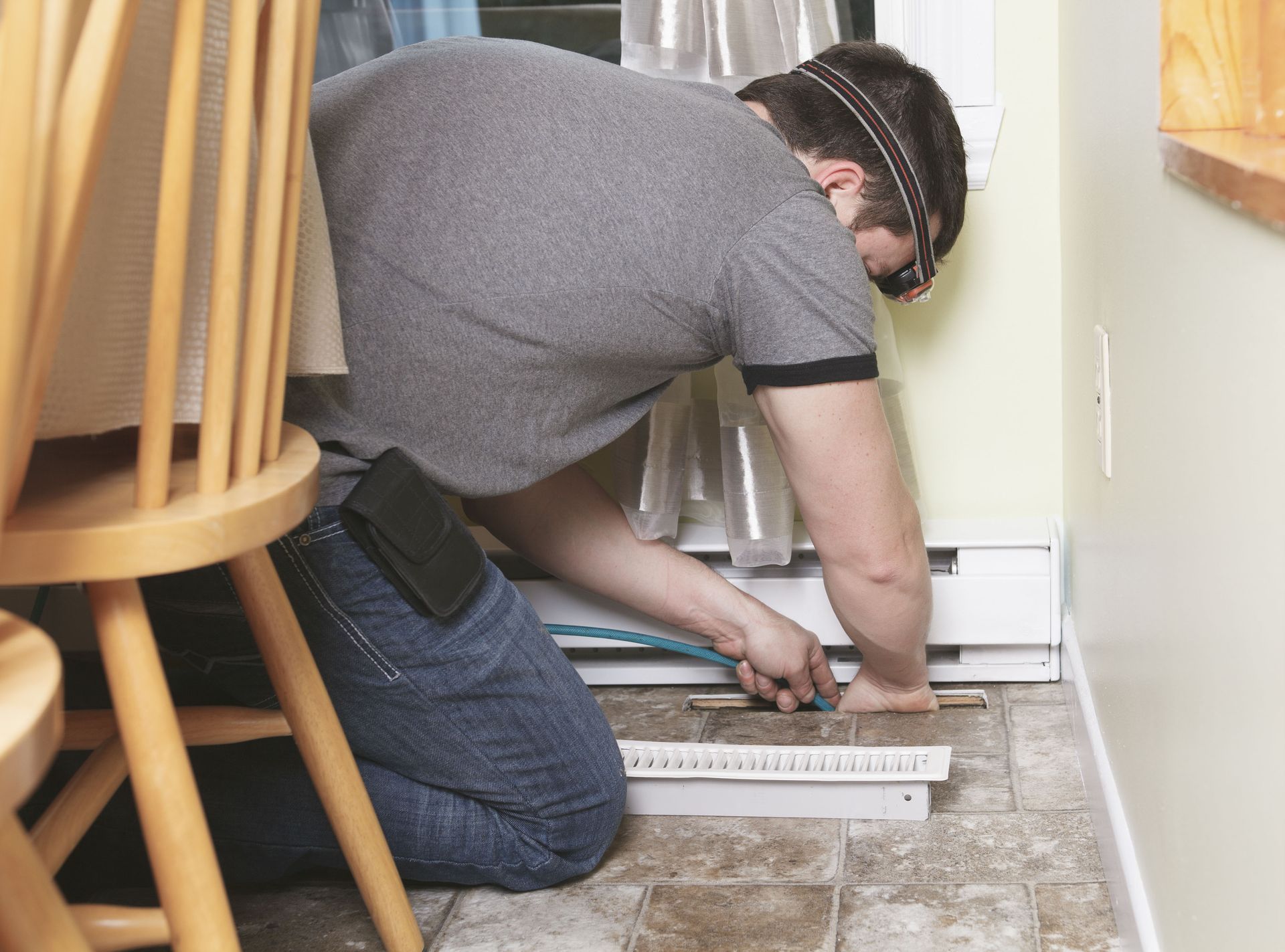
Indoor humidity control and air quality also depend heavily on accurate system sizing. When an oversized furnace short cycles, it fails to run long enough to circulate air properly through filtration media or maintain balanced moisture levels, often leaving indoor air overly dry and irritating respiratory passages. Dry indoor air can also warp hardwood floors and crack wooden furniture over time. Skilled heating contractors calibrate airflow and equipment output together so your system filters airborne particles effectively and preserves a healthy, comfortable indoor atmosphere.
Extend Heating Equipment Lifespan
Mechanical longevity is closely tied to whether a heating unit operates within its intended design parameters. Frequent on-and-off cycling in an oversized system places heavy stress on blower motors, igniters, relays, and heat exchangers, accelerating component wear and leading to unexpected midwinter breakdowns. Undersized systems experience comparable strain because continuous operation prevents mechanical parts from resting during prolonged cold snaps. Matching heating capacity to actual household demand allows equipment to run smoothly, avoid premature failures, and reach its full expected service life.
Maintenance schedules, repair frequency, and manufacturer warranty protections are all affected by initial sizing accuracy. Systems strained by improper capacity require more frequent service calls, emergency diagnostics, and expensive part replacements over time. Many equipment manufacturers also stipulate proper load calculations and documented installation standards as conditions for keeping warranty coverage valid. Partnering with qualified heating contractors ensures your installation meets strict factory specifications, safeguarding your warranty protection and minimizing unexpected maintenance expenses for years to come.
Control Long-Term Heating Costs
Evaluating a heating upgrade from a lifecycle perspective reveals why accurate sizing delivers substantial financial savings. While thorough load evaluations and tailored equipment selection require careful upfront planning, a properly matched system lowers monthly utility bills and delivers a strong return on investment over its operating life. Conducting a basic break-even comparison shows that equipment appearing cheaper upfront because an installer skipped detailed measurements often costs far more in wasted fuel, higher electricity bills, and recurring repair visits.
Correcting a mis-sized heating installation after the fact often requires expensive retroactive modifications, such as rebuilding restrictive ductwork, adding zone dampers, or replacing relatively new equipment prematurely. Poor climate control and noisy operation can also detract from residential property value when homeowners decide to sell. Consulting trusted heating contractors before purchasing new equipment eliminates these hidden financial burdens, allowing families to enjoy predictable energy expenses and lasting peace of mind.
Follow Essential Sizing Steps
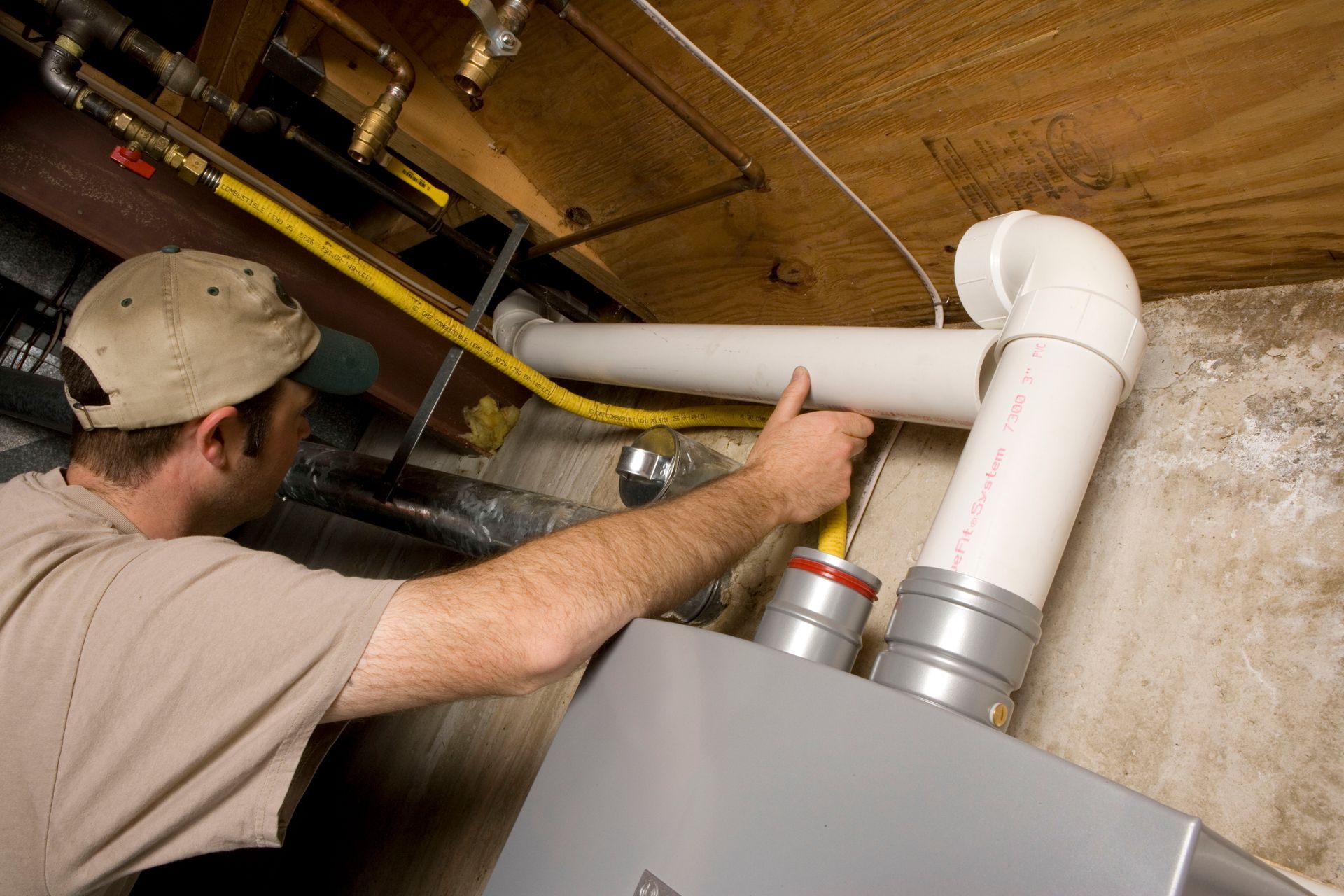
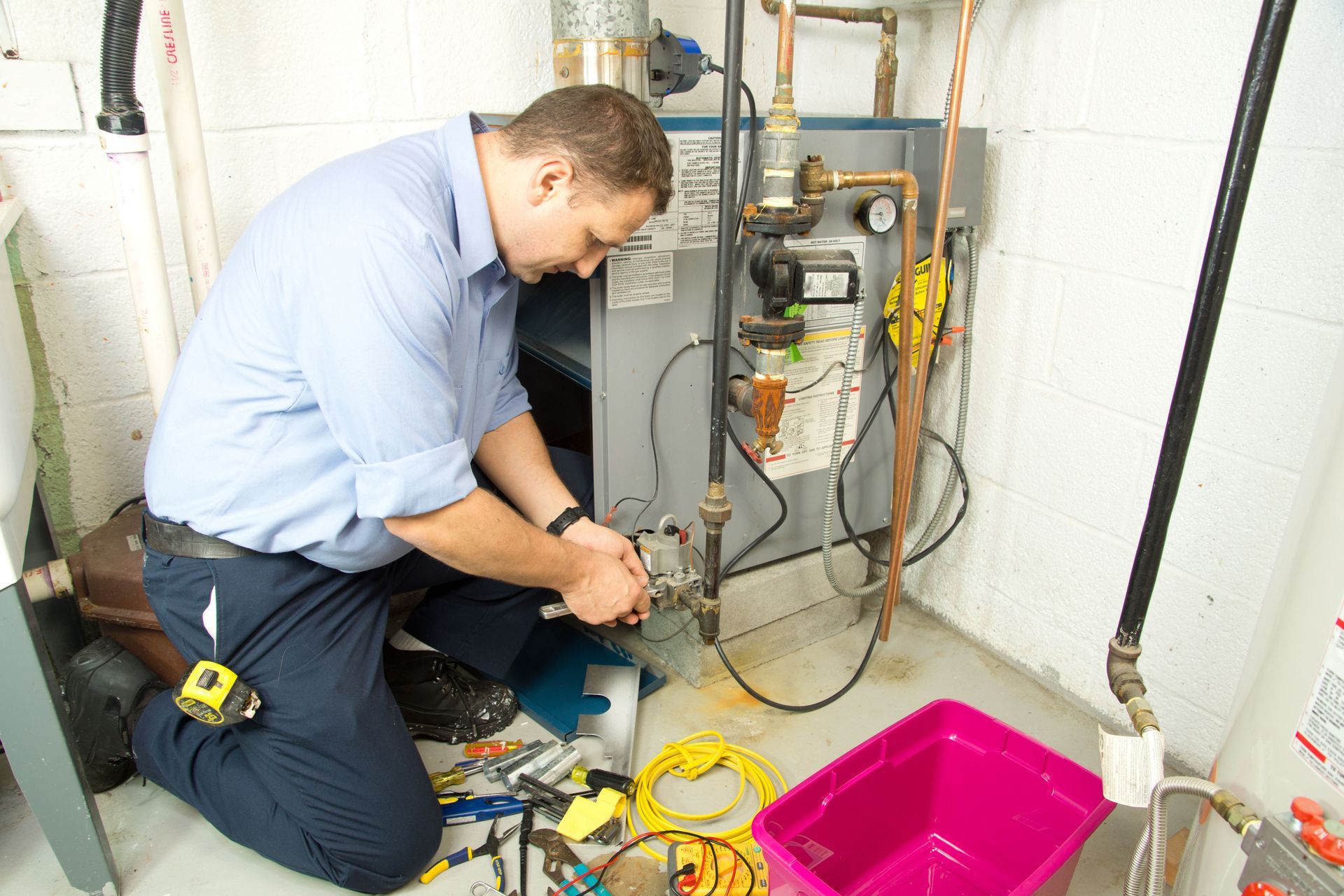
Achieving an accurate fit begins with scheduling a comprehensive home inspection and load evaluation before selecting any equipment model. During this visit, technicians inspect attic insulation, window seals, air leakage points, duct condition, and overall building layout to gather precise structural measurements. Dedicated heating contractors use this data to perform a Manual J load calculation, the industry standard method for determining exact heating requirements rather than estimating based on old equipment tags or square footage alone.
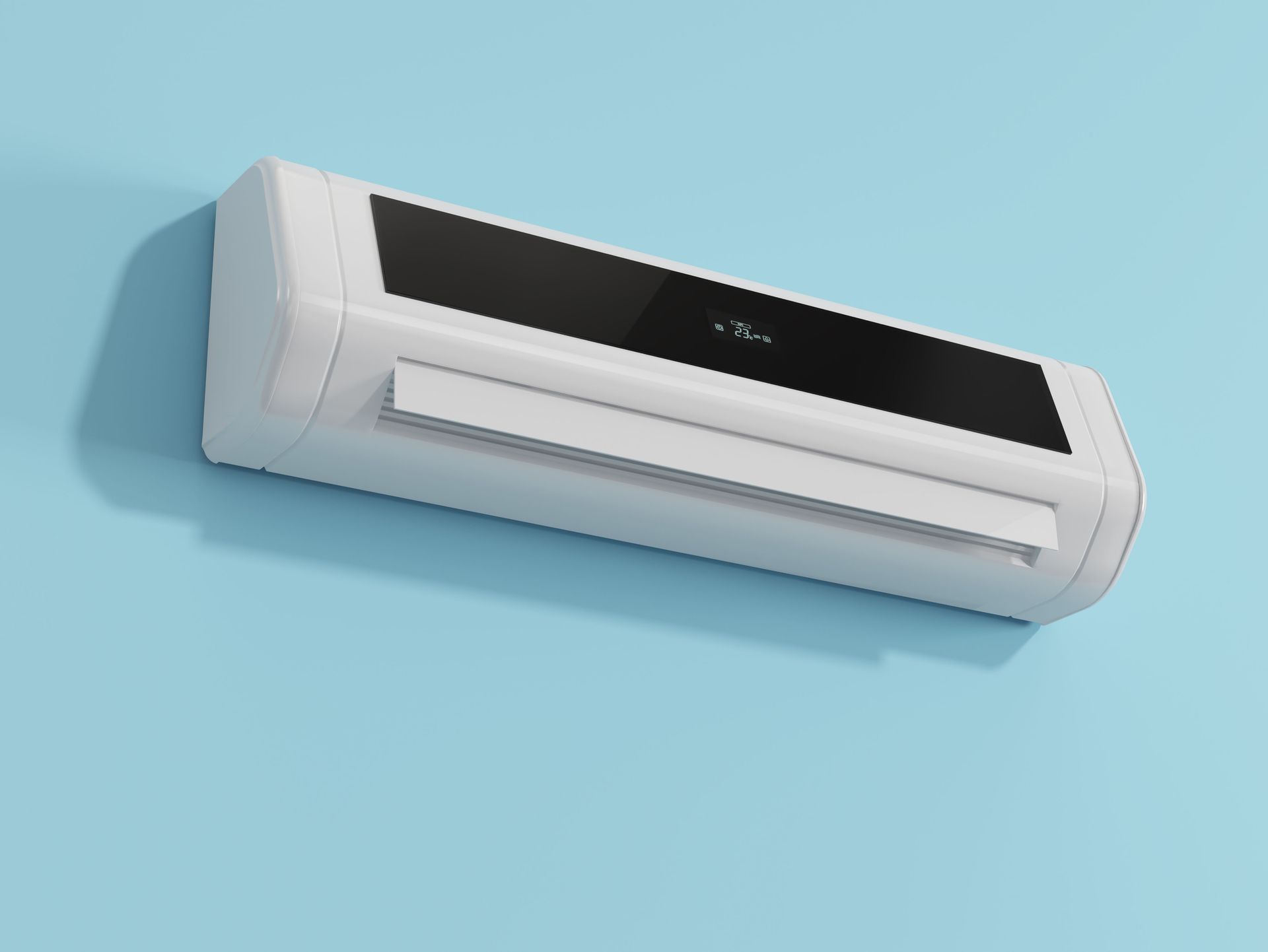
Once exact heating loads are established, homeowners can select modern, high-efficiency equipment engineered to match calculated demand and integrate smoothly with existing ductwork and ventilation systems. Scheduling routine performance monitoring and seasonal tune-ups after installation keeps airflow balanced and catches minor efficiency dips before they turn into major repairs. Working closely with experienced heating contractors throughout selection, installation, and ongoing maintenance ensures your home stays warm, efficient, and comfortable every winter.
Proper system sizing is the foundation of an efficient, reliable, and cost-effective home heating upgrade. Taking the time to match equipment capacity to your property prevents energy waste, eliminates uneven temperatures, extends mechanical lifespan, and protects your household budget from avoidable utility and repair expenses. Rather than leaving your indoor comfort to guesswork or outdated rules of thumb, rely on proven load calculations and professional expertise when planning your replacement. Investing in a custom assessment ensures your family enjoys dependable warmth for years to come. Reach out to our team at Four Seasons Air Systems today so we can evaluate your home and install a heating system sized specifically for your needs.