November 19, 2026
In this comprehensive guide, we will discuss the vital role heating contractors play in enhancing the efficiency of your heating system. From routine maintenance to advanced technological upgrades, professional contractors ensure that your heating system operates at peak performance, saving you money and energy in the long run. Skilled technicians have the experience and expertise to identify inefficiencies and recommend practical solutions that can significantly reduce energy consumption. According to WifiTalents, home heating generally makes up around 50% of a typical U.S. household's energy consumption during the winter months, accentuating the need for efficiency.
Conducting Comprehensive Home Heating System Assessments
Performing Initial Equipment Evaluations and Audits
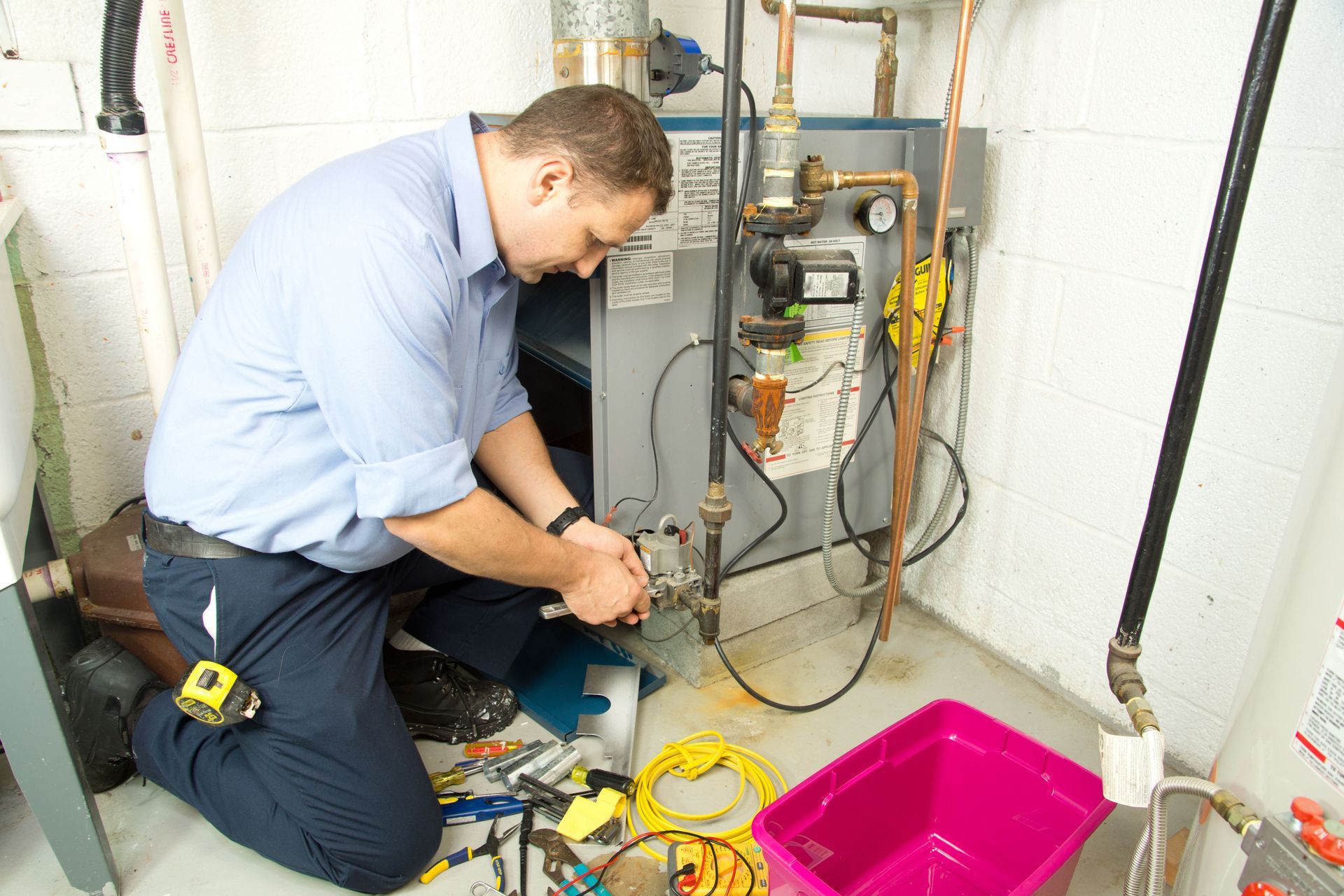
A comprehensive system assessment is the first step towards enhancing heating efficiency. During an initial evaluation, experienced heating contractors inspect your system's components to establish a performance baseline. This detailed audit measures current energy efficiency and identifies issues hindering optimal operation. Understanding the system's current state allows contractors to tailor improvement recommendations while giving homeowners clear insights into their equipment's strengths and weaknesses.
Identifying Hidden Mechanical and Airflow Inefficiencies
Once the evaluation is complete, contractors identify hidden issues costing you money. These range from simple fixes, like replacing worn parts, to complex systemic airflow or insulation problems. Pinpointing issues early with specialized diagnostic tools prevents them from escalating into expensive failures and allows for targeted, cost-effective interventions.
Analyzing Household Utility Energy Consumption Patterns
Dedicated technicians analyze past utility bills and usage data to gauge how effectively your system meets household demands. Examining this data reveals when and where energy is consumed most and uncovers anomalies indicating underlying mechanical inefficiencies. With these insights, contractors suggest targeted adjustments to optimize energy use without sacrificing indoor comfort.
Inspecting and Upgrading Aging Heating Components
Older systems often contain outdated or worn blowers, circuits, or boilers that drain energy. Detailed component inspections help determine whether to repair, retrofit, or replace failing parts. Upgrading to high-efficiency burners or advanced thermostatic controls significantly cuts energy consumption while prolonging the overall lifespan of your heating equipment.
Delivering Customized System Efficiency Improvement Plans
Following the assessment, contractors deliver customized recommendations tailored to your home's specific heating needs. These plans outline immediate corrective actions alongside long-term maintenance strategies. A trustworthy contractor provides clear estimates on potential energy savings and costs for each suggested upgrade, empowering homeowners to make informed financial and mechanical decisions.
Implementing Routine Seasonal Heating Maintenance Schedules
Prioritizing Proactive Preventive Heating Equipment Care
Preventive maintenance keeps heating systems running at peak efficiency. Routine check-ups prevent minor wear from escalating into costly mid-winter breakdowns. By scheduling regular service with qualified heating contractors, homeowners enhance daily system performance, extend equipment longevity, and avoid premature replacements.
Scheduling Biannual Seasonal Check-Ups and Tune-Ups
Seasonal tune-ups in the fall and spring prepare your equipment for peak weather demands. During these visits, contractors check thermostat settings, clean heating coils, and verify safety controls. Proactive seasonal adjustments catch developing issues early and prevent unexpected malfunctions.
Cleaning and Replacing Dirty Air Filters
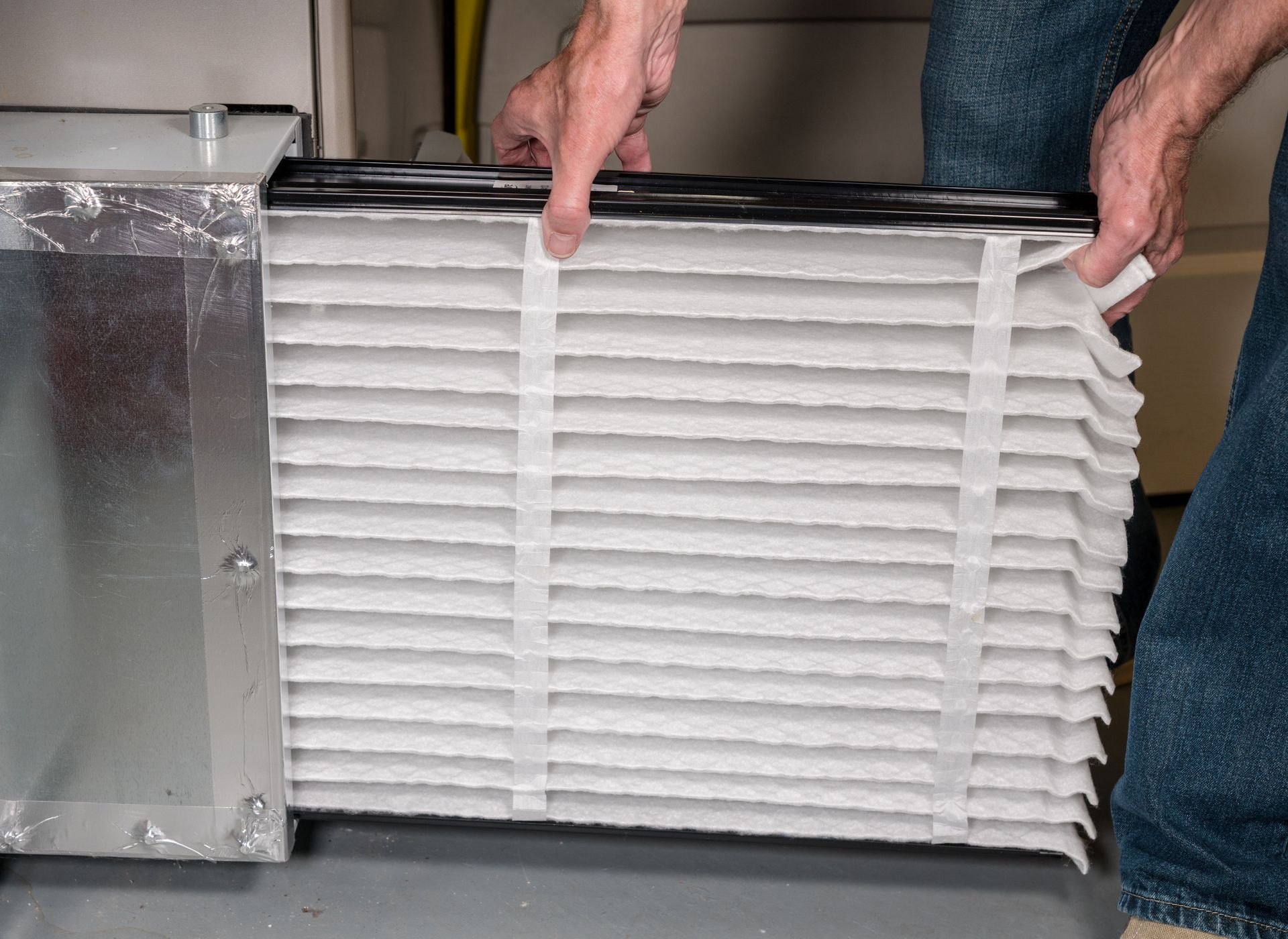
Regularly cleaning and replacing air filters profoundly impacts system efficiency. Dirty, clogged filters restrict airflow, forcing the equipment to work harder and consume more energy to maintain target temperatures. Checking and replacing filters every one to three months supports optimal airflow, lowers repair frequency, and improves indoor air quality.
Inspecting and Sealing Leaky Home Ductwork
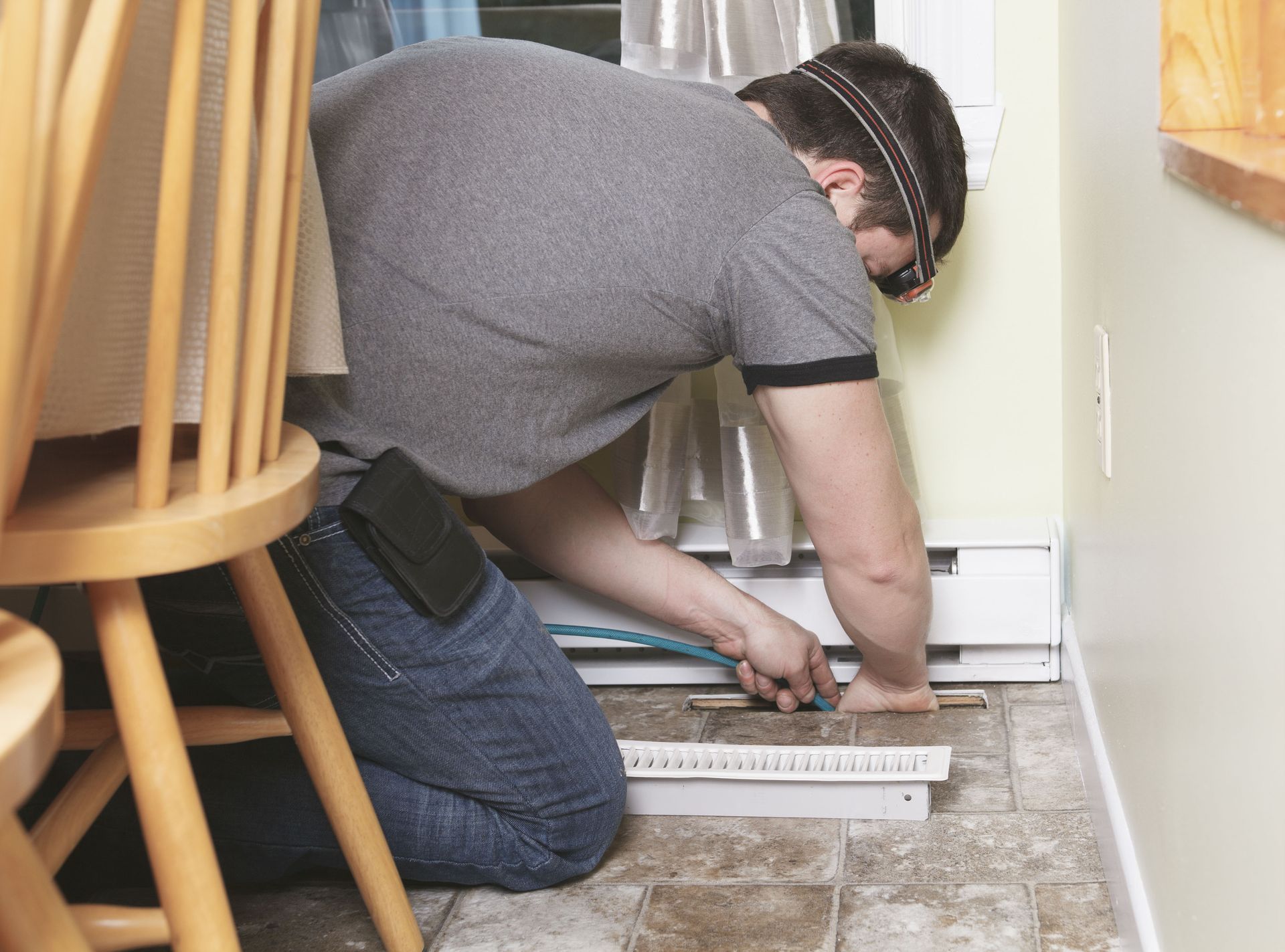
Poorly sealed or uninsulated ducts cause significant heat loss, driving up utility bills. Contractors use diagnostic tools like thermal imaging to locate air leaks and seal them using mastic or foil-backed tape. Insulating ducts running through unconditioned attics or basements ensures generated heat reaches living spaces efficiently.
Calibrating Indoor Thermostats and Climate Controls
Accurately calibrated thermostats prevent energy waste by maintaining consistent indoor temperatures. Contractors verify sensor accuracy, recalibrate controls, and recommend programmable or smart thermostats. Advanced scheduling capabilities automatically adjust heating output based on occupancy and weather shifts, substantially lowering monthly bills.
Upgrading Heating System Components and Technology
Installing Modern High-Efficiency Heating Equipment Units
Modern high-efficiency heating units consume far less fuel while delivering superior comfort compared to aging models. Knowledgeable heating contractors guide homeowners in selecting equipment with high Annual Fuel Utilization Efficiency (AFUE) ratings. Although upfront costs are higher, long-term utility savings and reduced environmental impact provide compelling returns.
Integrating Automated Smart Home Climate Technology
Smart thermostats and controls allow homeowners to manage heating remotely via smartphones while tracking real-time energy usage patterns. Certified technicians install and configure these smart devices to ensure full system compatibility, simplifying climate management and maximizing personalized energy savings.
Improving Home Insulation and Balanced Airflow
Proper home insulation retains indoor heat, reducing how frequently your heating system must cycle on. Contractors evaluate existing wall, attic, and duct insulation while optimizing duct layouts to ensure balanced airflow and even heat distribution throughout every room.
Adopting Sustainable Renewable Home Heating Sources
Sustainable alternatives like electric heat pumps, solar thermal systems, and biomass heaters reduce reliance on traditional fossil fuels. Contractors conduct feasibility assessments and manage installations to help homeowners lower both their carbon footprint and long-term heating costs.
Retrofitting Older Furnaces with Modern Solutions
Retrofitting upgrades existing equipment without requiring a full system replacement. Reliable heating contractors can install variable-speed motors or modern heat exchangers to boost reliability and efficiency at a fraction of the cost of new installation, extending the functional life of your current setup.
Diagnosing and Rectifying Heating System Malfunctions
Recognizing Early Warning Signs of Inefficiency
Catching warning signs early prevents catastrophic system failure. Contractors teach homeowners to watch for unusual noises, strange odors, and uneven room temperatures. Addressing these symptoms promptly with professional diagnostics keeps repairs simple and affordable.
Troubleshooting Common Residential Heating System Issues
Experienced technicians quickly diagnose root causes behind uneven heating, weak airflow, or frequent short cycling. Whether clearing obstructed lines or recalibrating faulty sensors, expert troubleshooting restores reliable operation and stops ongoing energy waste.
Repairing or Replacing Worn Heating Components
Promptly replacing failing components restores system balance and prevents cascading damage. Skilled heating contractors evaluate part wear, expected lifespan, and repair costs to recommend the most economical solution, minimizing downtime and curbing excess energy draw.
Maintaining Strict Safe Heating Operation Standards
Safety is paramount in residential heating. Contractors inspect heat exchangers, flue ventilation, emergency shut-offs, and carbon monoxide detectors to ensure full code compliance, protecting both your property and your family's health.
Conducting Periodic Heating Output Performance Evaluations
Periodic performance evaluations verify that heating output aligns with household demands. Ongoing assessments allow contractors to fine-tune equipment as homes age or family schedules change, maintaining sustained financial and environmental efficiency.
Providing Expert Guidance on System Replacement
Evaluating When Heating Replacement Makes Sense
When frequent repairs, rising utility bills, and declining comfort signal that a unit is nearing the end of its lifespan, contractors provide objective cost-benefit evaluations. They help homeowners determine when investing in a modern, high-efficiency replacement becomes more economical than ongoing maintenance.
Selecting the Right High-Efficiency Replacement System
Choosing the ideal replacement requires matching equipment capacity to your home's square footage, insulation quality, and local climate. Trusted heating contractors compare efficiency ratings, maintenance demands, and available manufacturer rebates to help you select a system built for lasting value.
Planning Budgets and Securing Energy Incentives
Contractors provide transparent installation quotes and help homeowners navigate federal tax credits, utility rebates, and financing options. Leveraging available financial incentives makes upgrading to high-efficiency heating equipment far more accessible and budget-friendly.
Overseeing Professional System Installation and Setup
Even the highest-rated furnace will underperform if improperly installed. Contractors manage every detail—from sizing ductwork to calibrating smart controls and testing airflow—ensuring your new system operates safely at peak rated efficiency from day one.
Establishing Long-Term Heating Efficiency Maintenance Plans
Beyond installation, contractors partner with homeowners to establish ongoing maintenance schedules and future-ready upgrade paths. Proactive long-term planning ensures your heating system adapts to evolving energy standards while delivering dependable winter comfort.
Partnering with experienced heating contractors is the most effective way to keep your home warm, safe, and energy-efficient throughout the coldest months. From comprehensive system audits and seasonal tune-ups to smart retrofits and precision installations, professional care maximizes equipment longevity while significantly lowering winter utility bills.
Enhance your indoor comfort and lower your winter energy costs today by contacting Four Seasons Air Systems to schedule your professional heating efficiency evaluation!