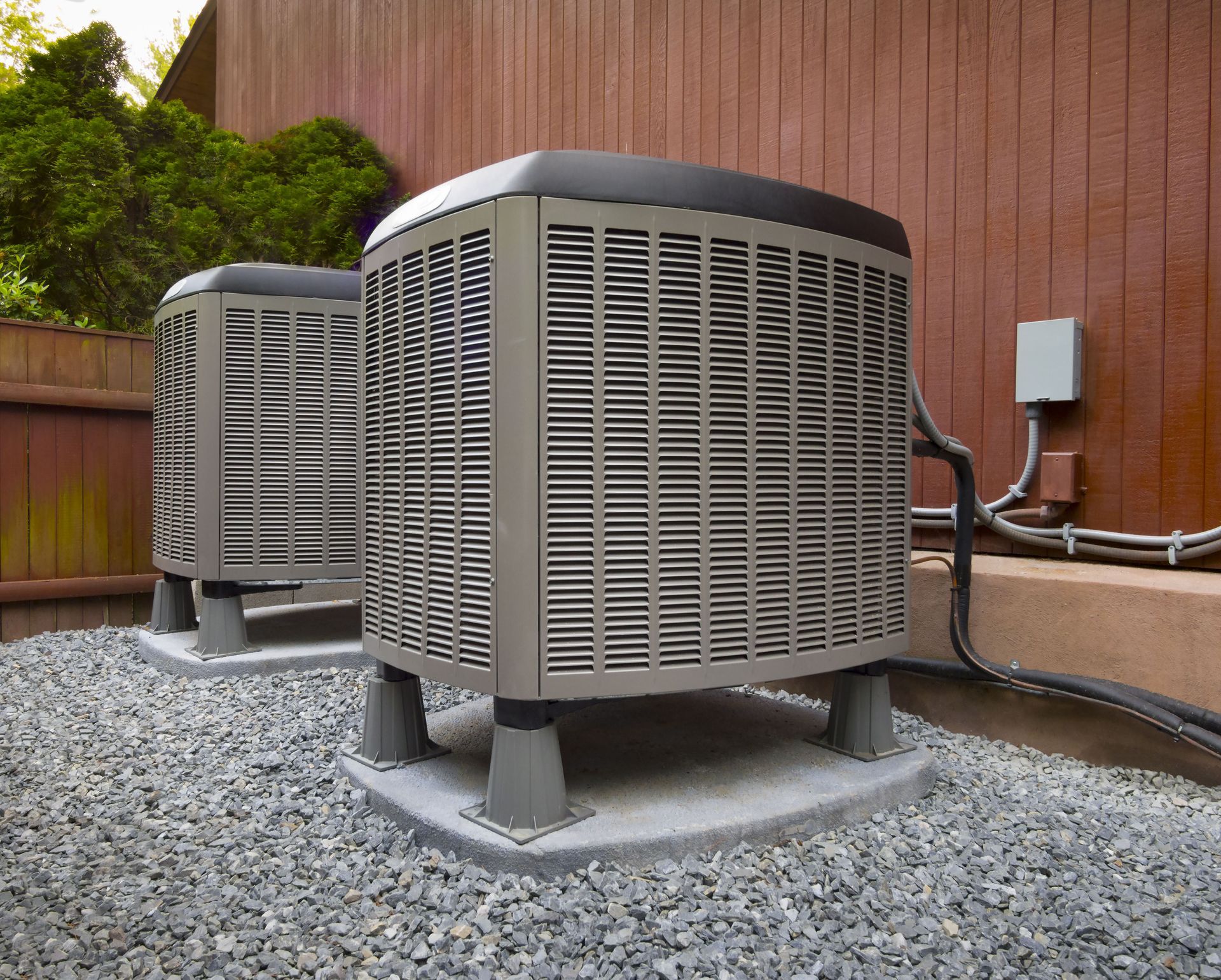
In maintaining a comfortable home environment, knowing when to repair or replace your system with a professional HVAC company is crucial. This decision impacts not only your indoor air quality but also your expenses. This post will guide you through the essential aspects to consider when faced with the choice of repairing or replacing your HVAC unit.
Assessing the Age of Your HVAC System
The age of your HVAC system is a fundamental factor in deciding whether to repair or replace it. Generally, the typical lifespan of HVAC systems ranges from 10 to 15 years. Over time, parts can become worn, leading to decreased performance and increased repair costs. As systems age, their efficiency declines, and they may not effectively regulate home temperatures. It is crucial to consider system age when making financial decisions about repairs versus replacement.
Manufacturer's recommendations provide valuable insights into the expected lifespan and maintenance needs of an HVAC system. These guidelines can help homeowners determine when major components may require repair or replacement. Regular maintenance, as suggested by manufacturers, can help prolong the life of an HVAC system. Skipping recommended service intervals, however, often leads to unexpected breakdowns. Following these guidelines ensures optimal system performance over its intended lifespan.
Balancing cost and performance is essential when considering the age of an HVAC system. Older units typically consume more energy, resulting in higher utility bills. It is not uncommon for an older system to perform less efficiently, especially in extreme temperatures. Homeowners must weigh the costs of operating and maintaining an older system against investing in a new, energy-efficient model. Upgrading can offer significant savings and improve home comfort.
Evaluating System Performance and Efficiency
Evaluating the performance of an existing HVAC system involves analyzing energy consumption over time. Monitoring utility bills for signs of increasing costs can indicate declining system efficiency. Older systems often struggle to maintain the same level of performance as newer models, resulting in higher energy consumption. By keeping track of energy use, homeowners can identify efficiency issues that may warrant replacement. According to Servicetitan.com, upgrading to energy-efficient systems can lead to energy savings of 20% to 50%.
Frequent breakdowns and repairs signal that an HVAC system may be nearing the end of its productive life. Repeated issues often result from impending system failure or age-related decline. As repair costs accumulate, the financial burden of maintaining an inefficient unit increases. Analyzing the history of breakdowns can provide a clear picture of a system's overall reliability. Persistent problems suggest it may be more cost-effective to invest in a replacement.
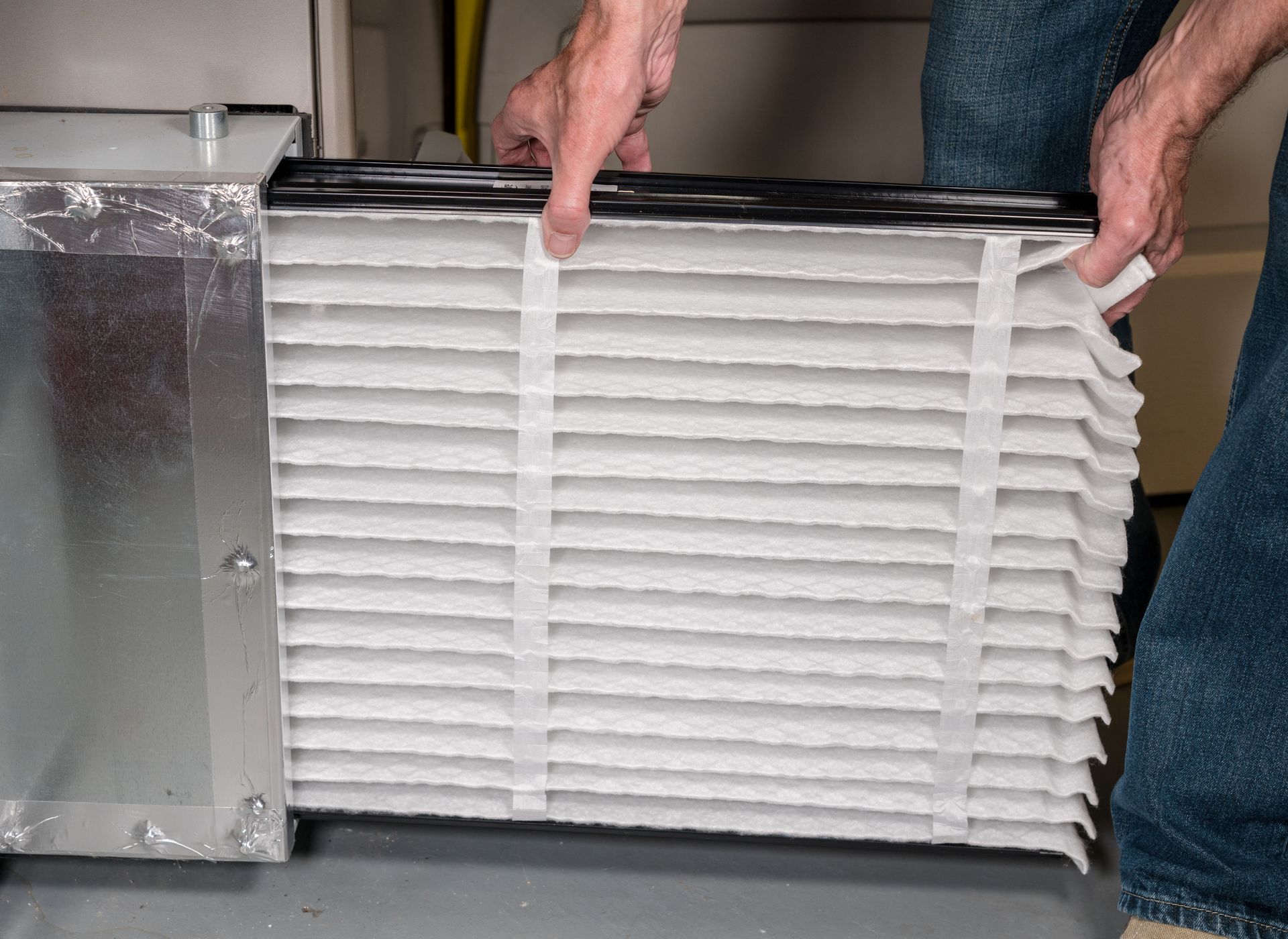
Indoor air quality is another key consideration when evaluating HVAC system performance. An underperforming unit may not effectively filter air, leading to dust accumulation and allergen buildup. Poor air circulation can result in uneven heating and cooling throughout a home. Evaluating indoor air quality with an HVAC company also involves inspecting ductwork for leaks or blockages. If unresolved, these issues can contribute to long-term health risks and discomfort.
Estimating Repair Costs vs Replacement Costs
Estimating repair and replacement costs begins with gathering accurate quotes from an HVAC company. Detailed assessments from multiple service providers can help homeowners make informed financial decisions. Technicians should consider system age, complexity, and frequency of issues when estimating repair costs. It's important to account for the potential for recurring repairs and cumulative expenses over time. Homeowners should use these estimates to assess whether a replacement would result in long-term savings.
Factoring in energy savings from a new system plays a significant role in financial planning. Upgrading to modern HVAC models can substantially reduce monthly utility bills, offsetting the initial investment over time. Calculating potential energy savings involves comparing current usage with the efficiency ratings of new systems. Homeowners should also consider the lifespan and maintenance requirements of potential replacements. With energy-efficient models, annual operating costs can decrease significantly due to improved performance.
Evaluating warranty options and coverage helps solidify replacement decisions. Modern HVAC systems often come with extended warranties that cover parts and labor, offering peace of mind. Homeowners should compare warranty terms and consider their importance relative to anticipated maintenance needs. Additionally, warranty coverage can help alleviate concerns about unforeseen expenses associated with a new system. Understanding warranty benefits aids in selecting a system that meets both financial and performance expectations.
Understanding Technological Advancements
Modern technology has significantly boosted HVAC system efficiency, making it an attractive consideration for replacement. Advancements in compressor technology, variable speed motors, and efficient refrigerants contribute to enhanced performance. These innovations result in quieter operation, lower energy consumption, and longer-lasting systems. Retrofitting an older system with these technologies may not be feasible, pushing homeowners toward a full upgrade. Newer models assure a level of efficiency not attainable with outdated systems.
Smart technology and system automation have revolutionized HVAC maintenance and control. Wi-Fi-enabled thermostats, for instance, provide homeowners with convenient control over home temperatures via smartphones. Automation allows systems to optimize energy use based on occupancy patterns and weather conditions. These features promote energy savings and offer improved comfort levels. Investing in new systems equipped with smart technology enhances both convenience and efficiency in managing home climate.
Innovations in eco-friendly HVAC systems emphasize sustainability without sacrificing efficiency. Manufacturers now offer environmentally conscious models designed to minimize carbon footprints. These systems focus on using eco-friendly refrigerants and prioritizing energy-efficient operations. Investing in an eco-friendly system demonstrates a commitment to sustainability and aligns with regulatory changes.
Assessing Environmental Impact
Replacing an old HVAC system with a modern, energy-efficient model can markedly reduce a home's carbon footprint. These systems not only add efficiency but also lessen dependence on non-renewable energy sources. Improved compressor designs and eco-friendly refrigerants further reduce greenhouse gas emissions. Such environmental considerations are notable in a world increasingly focused on sustainable living. Opting for a new system from an HVAC company contributes positively to the global environmental effort.
Changes in refrigerant compounds are significant as industry standards shift toward eco-friendly solutions. Older systems may use refrigerants now deemed harmful by environmental regulations. The transition to substances with lower global warming potential has prompted many system upgrades. Compliance with these standards not only meets legal requirements but also supports environmental sustainability.
Consulting With HVAC Professionals
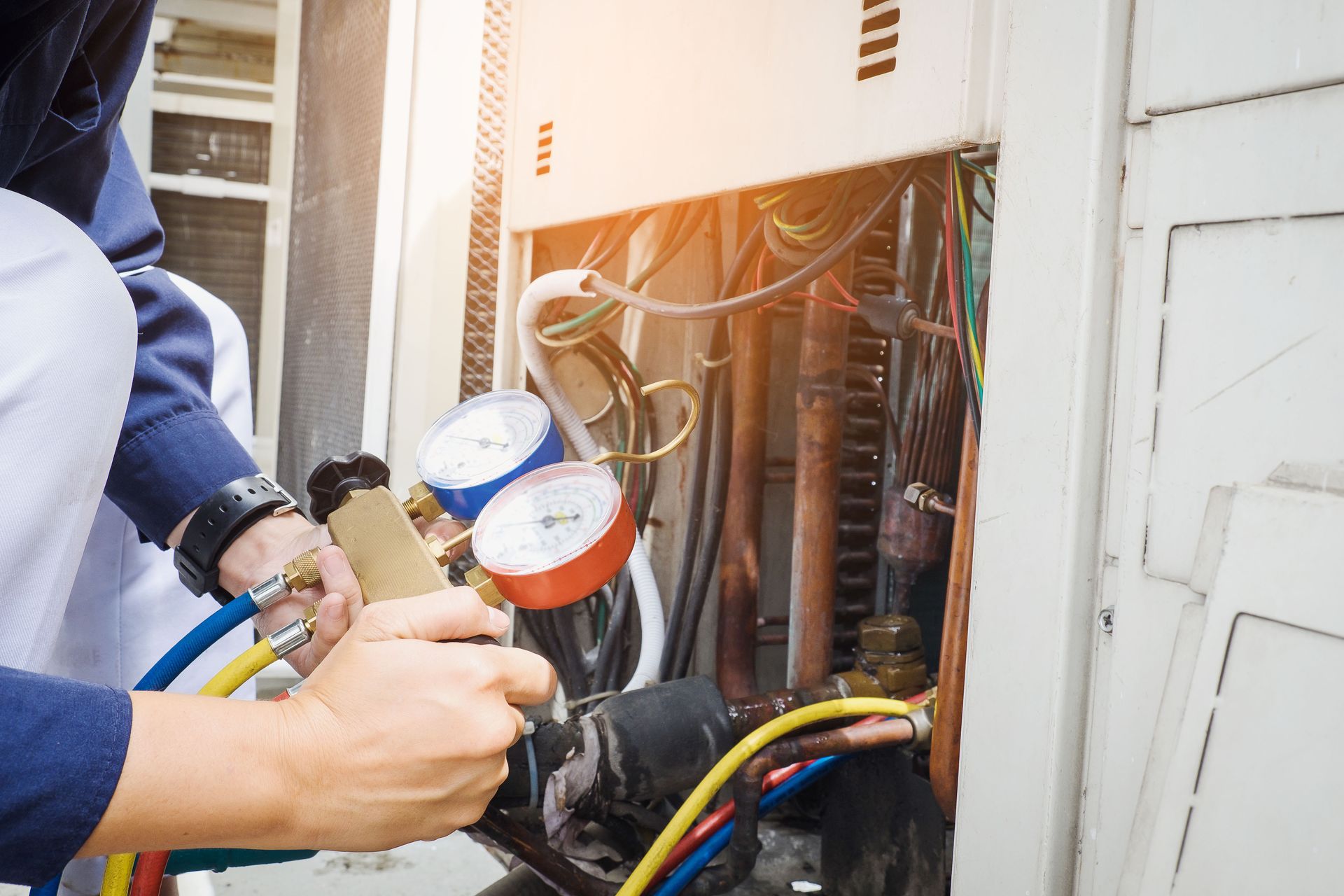
When considering major HVAC decisions, professional evaluations from an HVAC company provide critical guidance. Experts possess the knowledge to diagnose system issues accurately and propose cost-effective solutions. A professional evaluation includes a thorough inspection of system components and performance under different conditions. Technicians can identify inefficiencies that homeowners may overlook, offering recommendations accordingly. Consulting with professionals ensures a balanced approach to HVAC maintenance and replacement.
Seeking opinions from multiple HVAC professionals broadens the perspective on potential solutions. Homeowners can compare assessments and decide on an approach that aligns with both budget and performance needs. Understanding diverse viewpoints supports a well-rounded decision-making process. It emphasizes the importance of gathering comprehensive information before committing to costly repairs or replacements.
Deciding between repairing and replacing your HVAC system involves numerous factors, from cost considerations to technological advancements and environmental impact. By carefully evaluating each aspect, you can make an informed decision that ensures comfort, energy efficiency, and cost-effectiveness in the long run. Always consult an HVAC company to guide you in the best direction for your specific needs and circumstances. Call Four Seasons Air Systems today for more information.