March 17, 2026
Choosing the right air conditioning system is essential for maintaining comfort, efficiency, and cost-effectiveness in your home. With multiple options available, homeowners must consider factors such as home size, layout, energy efficiency, noise levels, climate, and budget. Understanding the strengths and limitations of each system, along with your home’s specific needs, can help you make an informed decision that ensures consistent cooling, lower energy costs, and long-term satisfaction.
Understanding Common AC Systems
Central Air Conditioning Systems
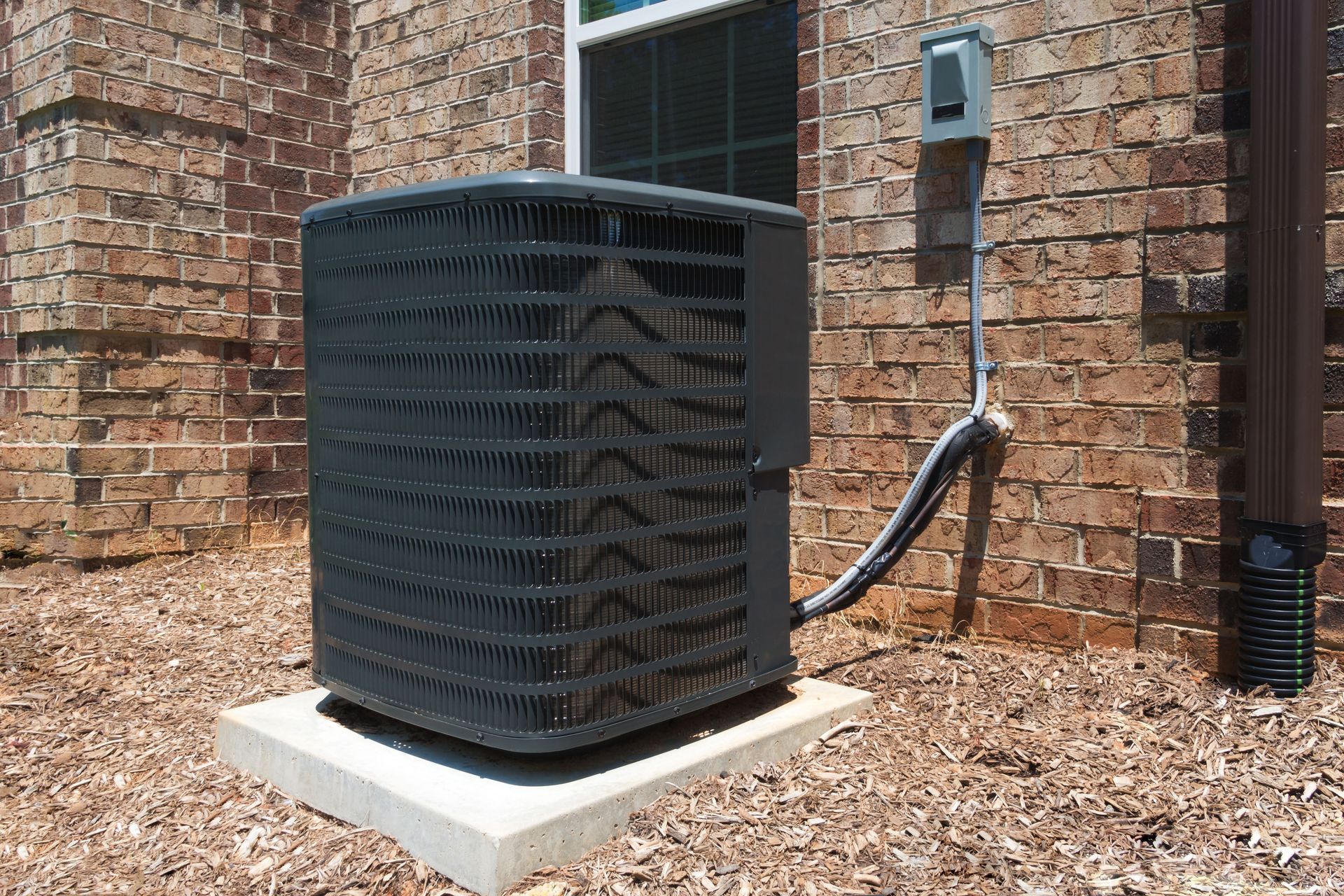
Central air conditioning systems are designed to cool entire homes by distributing air through a network of ducts, delivering consistent temperature control throughout the space. They integrate well with homes that already have ductwork, but installation costs can be high, especially if upgrades are needed. Modern central AC systems are far more efficient than older models, helping reduce energy use and improve comfort. However, they require regular maintenance, and homes without existing ductwork may face added expense and energy loss if ducts are poorly sealed. According to Forbes, approximately 90% of households in the United States use air conditioning, with central systems among the most common options.
Ductless Mini-Split Systems
Ductless mini-split systems are an efficient, flexible option for homes without existing ductwork. They use an outdoor compressor connected to one or more indoor units to cool specific rooms or zones, allowing for individualized temperature control and reduced energy loss. Installation is versatile, with indoor units mounted on walls, floors, or ceilings, making them well-suited for home additions or areas not served by central air. While costs can increase when multiple zones are needed, mini-splits are typically quieter than central systems.
Considering Key Factors
Size and Cooling Capacity
Proper AC sizing is critical to both comfort and efficiency. An undersized system will run constantly and struggle to cool the home, while an oversized unit can short-cycle, causing uneven temperatures, excess wear, and poor humidity control. Factors like square footage, ceiling height, insulation, window count, and local climate all influence the correct system size. Cooling capacity is measured in BTUs, and matching the rating to your space helps minimize energy waste and maintain consistent temperatures. An AC company can perform a load calculation to ensure accurate sizing, including dehumidification needs, which is essential for maintaining indoor air quality and overall comfort.
Energy Efficiency Ratings
Energy efficiency directly affects both utility costs and long-term system performance. AC efficiency is measured by SEER ratings, with higher ratings indicating better energy use. While high-efficiency units may cost more upfront, they often deliver savings through lower operating costs and rebates. Regular maintenance performed by a professional AC company also plays a key role in preserving efficiency, improving system longevity, and reducing environmental impact over time.
Installation and Maintenance Costs
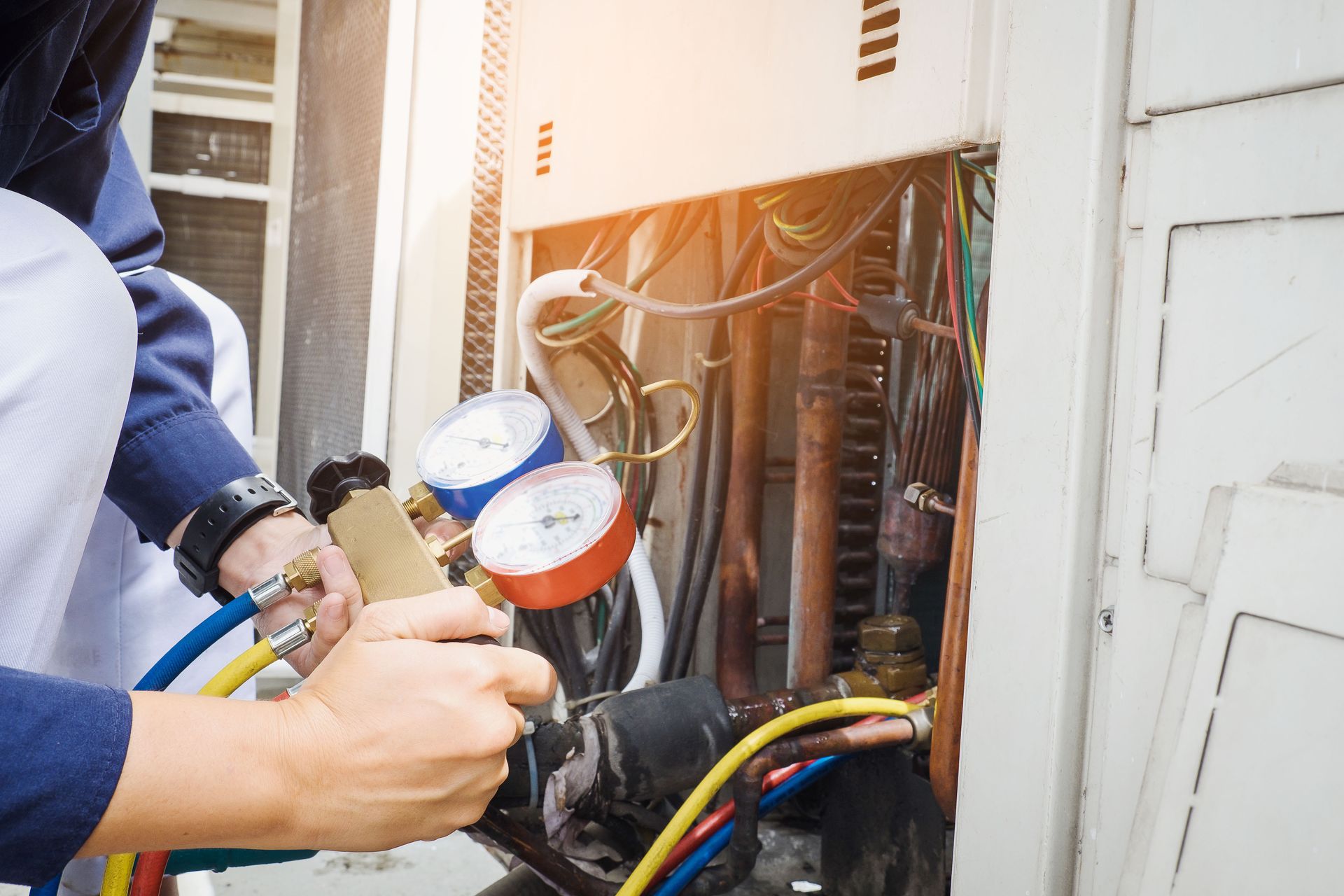
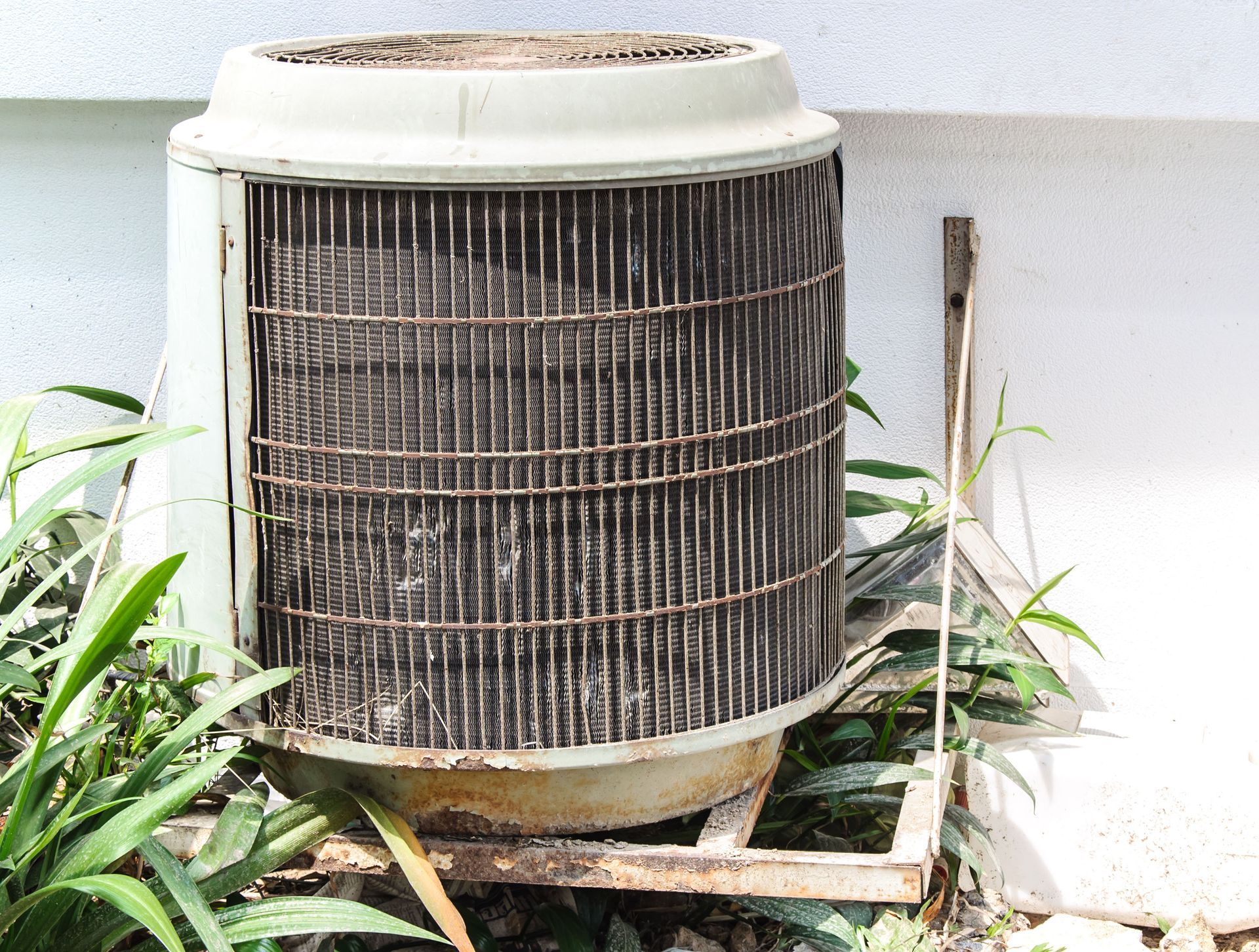
Installation and maintenance costs play a major role in the overall expense of a new AC system and can vary based on system type, home layout, and whether ductwork is needed. Central air and ductless systems typically require installation from a licensed AC company, making it important to compare detailed quotes to avoid unexpected costs and choose a qualified installer. Ongoing maintenance—such as filter changes, system inspections, and duct cleaning—is essential for efficiency and longevity. Maintenance plans and reputable installers that offer warranties can help prevent costly repairs and ensure the system performs as intended over its lifespan.
Noise Levels and Design
Noise level and design can significantly influence overall comfort and satisfaction with an AC system. Quieter operation is especially important in bedrooms and home offices, while central systems tend to be less disruptive since most noise stays outdoors. Sound ratings measured in decibels (dB) can help homeowners compare options, with lower ratings indicating quieter performance. Design also matters, as ductless mini-splits offer sleek, flexible indoor units, while window and portable systems are often more noticeable. Advances in HVAC technology—such as variable-speed motors and sound-dampening materials—now make it easier to find systems that balance quiet operation, aesthetics, and reliable performance.
Climate and Local Weather Conditions
Local climate and weather conditions play a major role in determining the most effective AC system for a home. Hot regions typically require higher-capacity systems with strong heat rejection, while milder climates may benefit from smaller, more energy-efficient options. Humidity levels are also critical, as they directly affect comfort and system performance. Choosing a system that aligns with local conditions helps avoid over- or underpowered setups and improves overall efficiency.
Factoring in climate-specific needs—along with insulation quality—can significantly reduce energy waste and utility costs. Some homeowners may also explore adaptive solutions like geothermal or variable refrigerant flow (VRF) systems, which perform efficiently across changing temperatures. Understanding local climate demands and consulting a professional AC company ensures a better match between system performance, comfort, and long-term energy use.
Evaluating Your Home’s Specific Needs
Home Size and Layout
The size and layout of your home are integral in determining the appropriate AC system for effective coverage and energy efficiency. Larger homes may require a central system with robust ductwork to ensure all areas receive adequate cooling. In contrast, smaller homes or specific zones might do better with ductless systems, which provide more flexibility and localized cooling. Considerations such as room orientation, open floor plans, ceiling height, and the number of floors all influence airflow and temperature distribution. Homes with multiple levels or segmented layouts often benefit from zoned systems that allow different areas to be cooled independently, improving comfort and efficiency.
It’s also important to evaluate how frequently different spaces are used. Guest rooms, basements, or home offices may not require the same cooling intensity as main living areas. Systems that support zoning or room-by-room control help avoid wasting energy on underused spaces. A professional AC company can assess these layout-specific factors and recommend solutions that align with both comfort goals and budget constraints. Tailoring the system to your home’s layout ensures consistent performance without unnecessary energy consumption.
Insulation and Air Sealing
Insulation quality and air sealing play a critical role in how hard an AC system must work to maintain indoor comfort. Poor insulation or air leaks around windows, doors, and attics allow cooled air to escape, forcing the system to run longer and increasing energy costs. Before investing in a new AC unit, homeowners should assess insulation levels and address obvious air leaks. Simple upgrades like weatherstripping, sealing duct gaps, or adding attic insulation can significantly improve system efficiency.
Well-insulated homes retain cool air more effectively, allowing smaller or lower-capacity systems to perform adequately. This not only reduces upfront equipment costs but also lowers long-term operating expenses. In many cases, improving insulation can deliver a faster return on investment than upgrading to a higher-capacity AC unit alone. Pairing proper insulation with the right cooling system creates a balanced approach to comfort and energy management.
Selecting the ideal AC system requires balancing performance, efficiency, and practicality with the unique characteristics of your home. Central air and ductless mini-split systems each offer distinct advantages, but success depends on proper sizing, installation, maintenance, and alignment with local climate conditions. By evaluating your home’s layout, insulation, airflow, and usage patterns, and consulting a professional AC company when needed, you can choose a system that delivers reliable comfort, reduces energy waste, and provides lasting value for years to come. When you're ready to work with a reliable AC company to find the right AC system for your home, reach out to Four Seasons Air Systems!