April 14, 2026
Heating and cooling costs can quickly become one of the largest monthly expenses for homeowners, especially during peak summer and winter seasons. When temperatures rise or fall dramatically, your HVAC system has to work overtime to maintain a comfortable indoor environment. While that comfort is essential, it often leads to higher utility bills that can strain your budget.
The good news is that reducing your energy costs doesn’t require drastic lifestyle changes or sacrificing comfort. In fact, many homeowners are surprised to learn that small, consistent improvements can lead to substantial savings over time. From better temperature control to improved insulation, there are practical steps you can take right away.
Working with a trusted HVAC company can also play a major role in helping you identify inefficiencies and implement solutions that maximize performance. Whether you’re looking for quick fixes or long-term upgrades, the following six strategies will help you lower your heating and cooling bills while keeping your home comfortable year-round.
1. Adjust Your Thermostat Settings Strategically
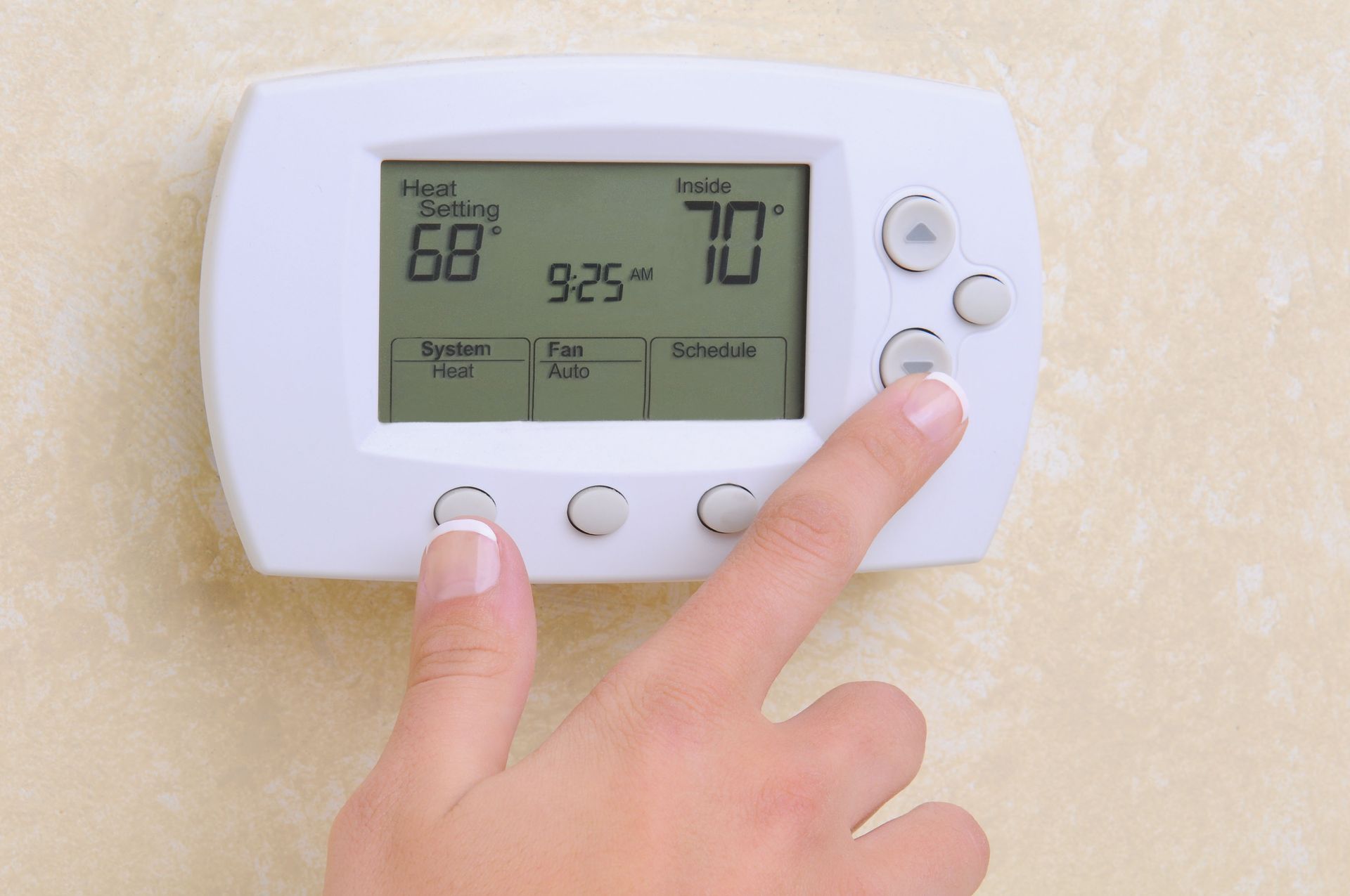
One of the simplest and most effective ways to reduce energy costs is by adjusting your thermostat settings. Many homeowners keep their homes at a constant temperature throughout the day, even when no one is home. This results in unnecessary energy consumption and higher bills. By increasing the temperature a few degrees during the summer and lowering it slightly during the winter, you can significantly reduce the workload on your system. Even a small adjustment of 5–8 degrees for several hours a day can lead to noticeable savings over time.
Programmable and smart thermostats make this process even easier. These devices allow you to set schedules that automatically adjust temperatures based on your daily routine. For instance, your system can run less while you’re at work and return to a comfortable setting before you arrive home. A professional HVAC company can help you select and install a thermostat that suits your lifestyle, ensuring you get the most out of your heating and cooling system. Over time, this simple upgrade can deliver consistent savings without sacrificing comfort.
2. Seal Air Leaks Around Your Home
Air leaks are one of the biggest contributors to energy waste in residential homes. Tiny gaps around windows, doors, ductwork, and even electrical outlets can allow conditioned air to escape. When this happens, your HVAC system must work harder and longer to maintain the desired temperature. Sealing these leaks is a relatively inexpensive improvement that can deliver immediate results. Weatherstripping around doors and windows, caulking cracks, and sealing duct joints can prevent air from escaping and improve overall efficiency.
It’s also important to check less obvious areas, such as attic hatches, recessed lighting, and plumbing penetrations. These hidden leaks can add up over time and significantly impact your energy usage. A reputable HVAC company can perform a detailed energy audit to locate problem areas you might miss. By addressing these leaks, you’ll create a more stable indoor environment and reduce the strain on your system, ultimately lowering your utility bills.
3. Keep Your HVAC System Well-Maintained
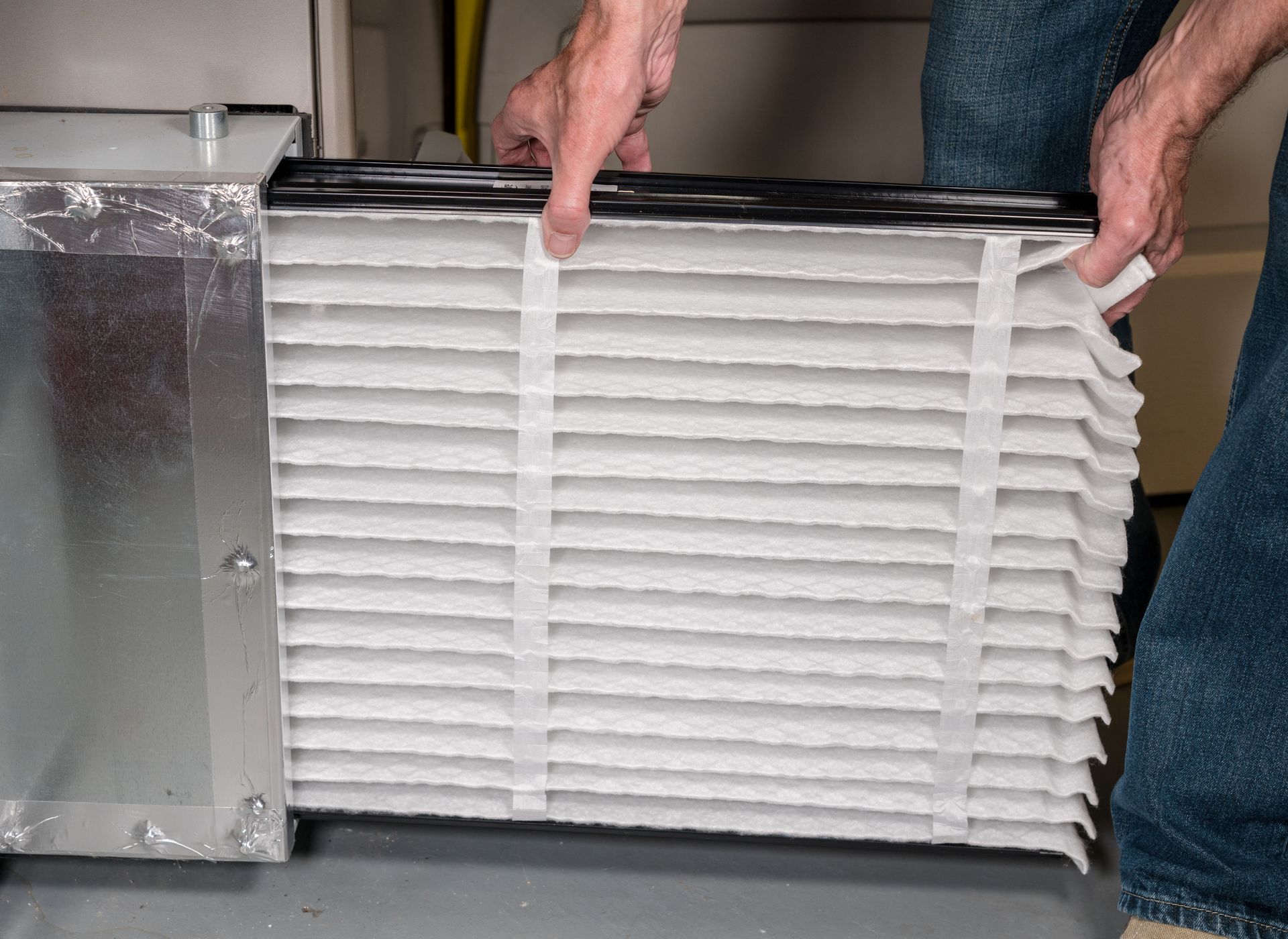
Routine maintenance is essential for ensuring your heating and cooling system operates efficiently. Over time, dust, debris, and normal wear and tear can reduce performance and increase energy consumption. One of the easiest maintenance tasks is regularly changing your air filter. A clogged or dirty filter restricts airflow, forcing your system to work harder than necessary. Replacing filters every one to three months helps maintain proper airflow and improves indoor air quality.
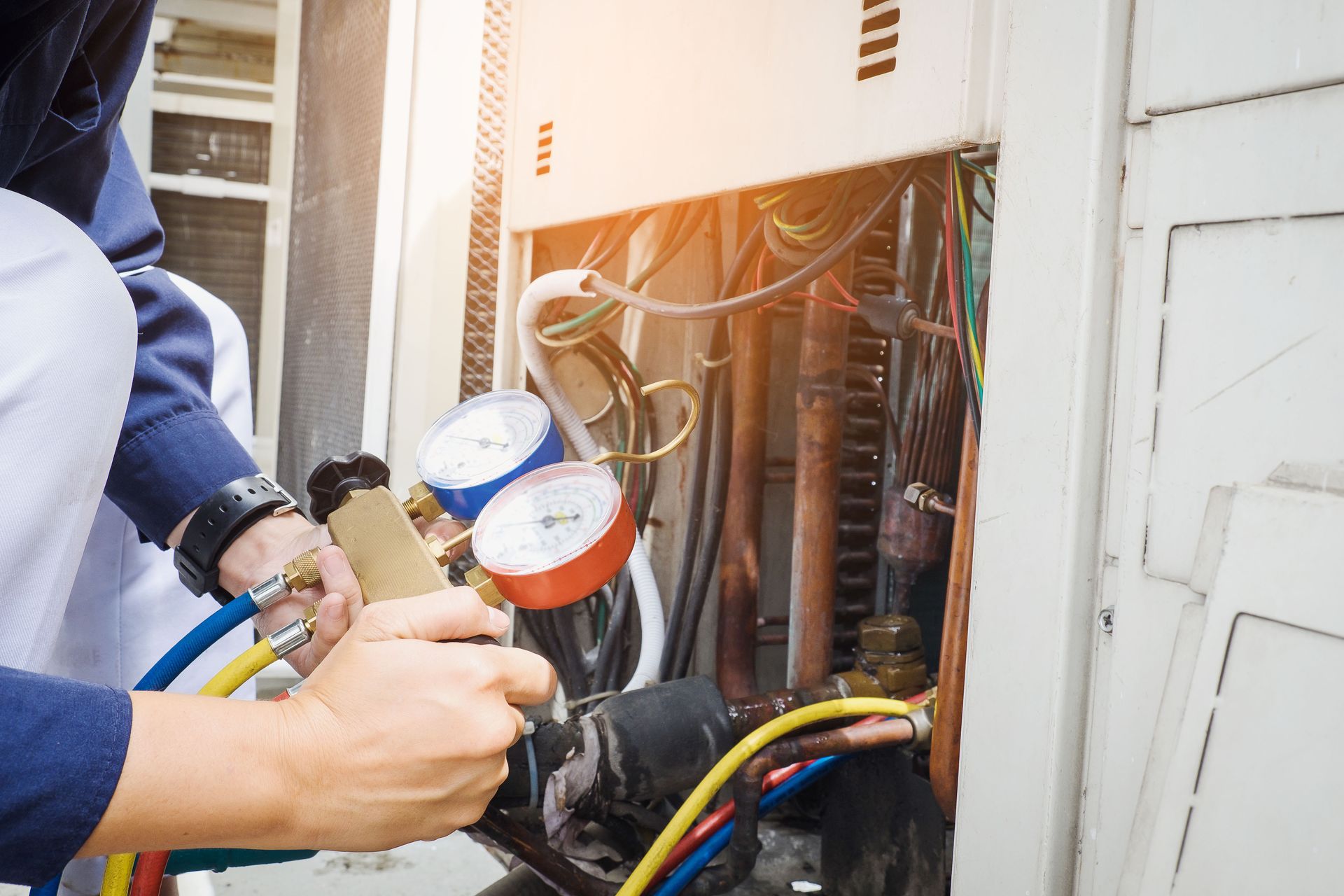
In addition to filter changes, scheduling annual tune-ups is critical. During these visits, a professional will inspect components, clean coils, check refrigerant levels, and ensure everything is functioning properly. A reliable HVAC company can catch small issues before they turn into costly repairs or system failures. Regular maintenance not only extends the life of your equipment but also keeps your system running as efficiently as possible, helping you save money over time.
4. Upgrade to Energy-Efficient Equipment
If your HVAC system is outdated, it may be costing you more than you realize. Older systems are typically less efficient and require more energy to deliver the same level of comfort as newer models. Upgrading to energy-efficient equipment can significantly reduce your monthly utility bills. Modern systems are designed with advanced technology that optimizes performance while using less energy.
According to Leads4build.com, in the first half of 2025, electric heat pumps outsold gas furnaces by 25%. This trend reflects a growing shift toward more efficient and environmentally friendly heating solutions. Heat pumps, in particular, offer both heating and cooling capabilities, making them a versatile option for many homeowners. While the initial investment may seem high, the long-term savings often outweigh the upfront cost. A knowledgeable HVAC company can assess your home’s needs and recommend the best system for maximum efficiency and performance.
5. Use Ceiling Fans to Support Air Circulation
Ceiling fans are an often-overlooked tool that can make a significant difference in your home’s comfort and energy efficiency. By improving air circulation, fans help distribute conditioned air more evenly throughout your space. In the summer, ceiling fans create a cooling effect by moving air across your skin. This allows you to raise your thermostat setting without feeling uncomfortable, reducing the workload on your HVAC system.
During the winter, reversing the direction of your ceiling fan can push warm air down from the ceiling. Since warm air naturally rises, this simple adjustment helps maintain a more consistent temperature throughout the room. Using ceiling fans in conjunction with your heating and cooling system reduces the need for constant HVAC operation. A trusted HVAC company can also provide recommendations for improving airflow and maximizing efficiency in your home.
6. Improve Your Home’s Insulation
Insulation plays a critical role in maintaining indoor temperatures and reducing energy loss. Without proper insulation, your home allows heat to escape in the winter and enter in the summer, forcing your HVAC system to work harder. Upgrading insulation in key areas such as the attic, walls, and crawl spaces can significantly improve energy efficiency. Proper insulation helps maintain consistent temperatures, reduces drafts, and enhances overall comfort.
Attic insulation is particularly important, as heat rises and can easily escape through an under-insulated roof. By improving this area, you can prevent energy loss and reduce the strain on your system. An experienced HVAC company can evaluate your current insulation levels and recommend upgrades that align with your budget and energy-saving goals. When combined with other efficiency measures, improved insulation can lead to substantial reductions in your heating and cooling bills.
Lowering your heating and cooling bills doesn’t have to be complicated or expensive. By making small, strategic changes—such as adjusting your thermostat, sealing air leaks, maintaining your system, upgrading equipment, using ceiling fans, and improving insulation—you can significantly reduce energy consumption without sacrificing comfort.
Each of these steps contributes to a more efficient home, helping your HVAC system perform at its best while keeping your monthly costs under control. Partnering with a professional HVAC company ensures that you’re taking the right approach and getting the most value from your investment. If you’re ready to start saving on your energy bills and improve your home’s comfort, contact Four Seasons Air Systems today and let their expert team help you achieve efficient, reliable heating and cooling all year long.