The comfort of a modern home relies almost entirely on the invisible labor of mechanical systems that regulate temperature and air quality. When these systems function correctly, they are easily ignored, providing a seamless backdrop to daily life. However, because these units are composed of intricate electrical components, volatile refrigerants, and moving mechanical parts, they are prone to wear and tear that can disrupt the sanctuary of the domestic environment. Understanding the complications that arise within these systems is essential for any property owner who wishes to maintain a consistent climate and avoid the stress of sudden mechanical failure. By recognizing the early signs of distress, individuals can take proactive steps to ensure their machinery operates at peak efficiency while safeguarding their financial investment.
Navigating the complexities of climate control requires a basic understanding of how air is cooled, heated, and circulated. Many of the issues that plague residential units are not catastrophic failures but rather small inefficiencies that compound over time. While some minor tasks can be handled by a diligent homeowner, the vast majority of internal mechanical issues require the specialized diagnostic tools and technical knowledge of a professional. Engaging a certified heating contractor is often the most effective way to address these underlying problems before they evolve into expensive emergencies. As we explore the most frequent hurdles in home climate management, it becomes clear that consistent oversight and expert intervention are the pillars of a long-lasting and reliable system.
Neglecting Routine Filter Replacements
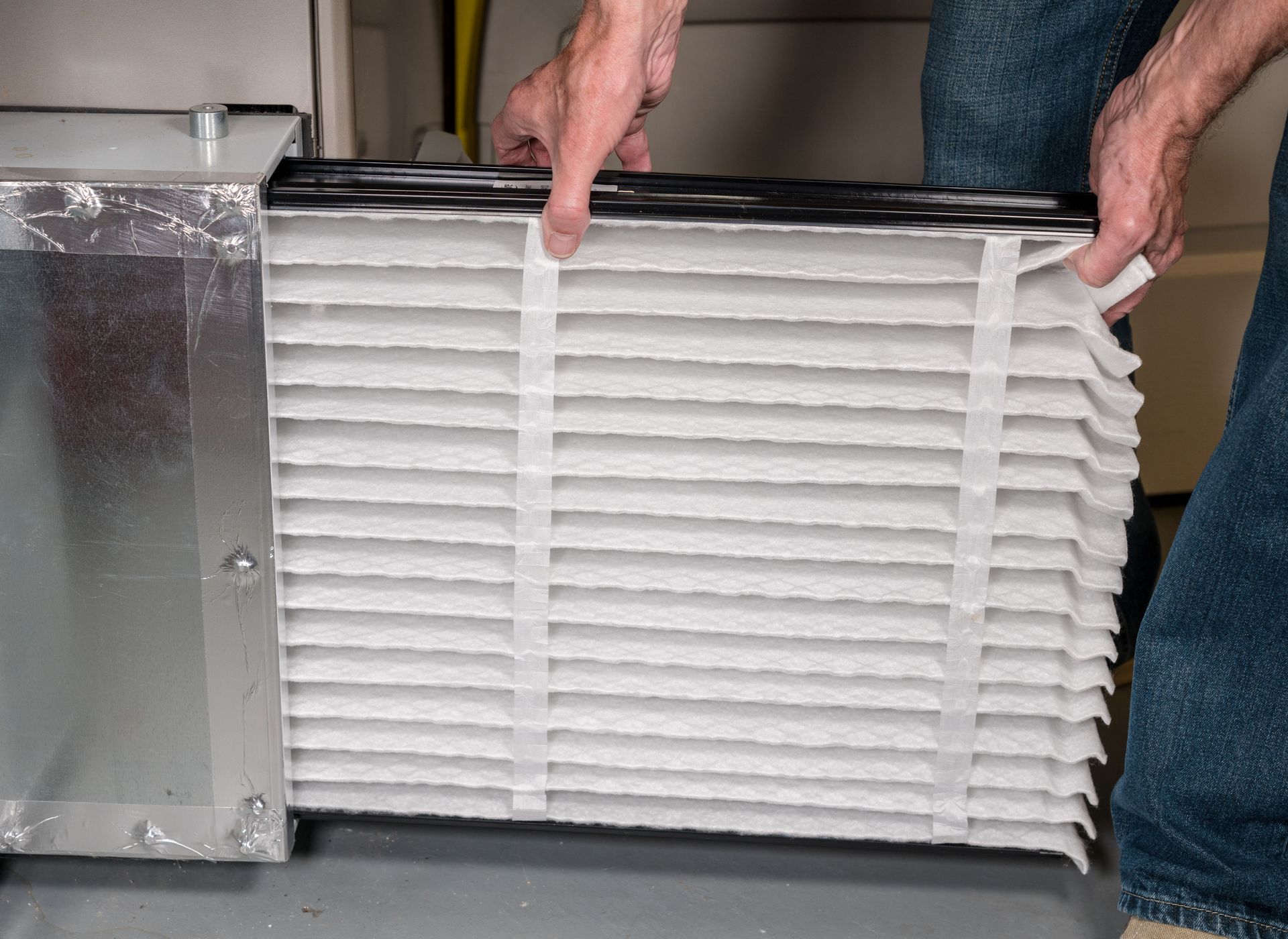
The most frequent cause of system underperformance is often the simplest to rectify. Air filters serve as the primary defense against dust, pet dander, and airborne debris that would otherwise coat the internal sensitive components of the unit. When these filters become clogged, the airflow is severely restricted, forcing the blower motor to work significantly harder to move air through the residence. This increased strain leads to higher utility costs and puts unnecessary pressure on the entire mechanical structure. Furthermore, restricted airflow can cause the evaporator coils to freeze in the summer or the heat exchanger to overheat in the winter, potentially leading to permanent damage. A clogged filter also diminishes indoor air quality, circulating pollutants throughout the living spaces and aggravating respiratory sensitivities for the occupants.
Experiencing Thermostat Calibration Errors
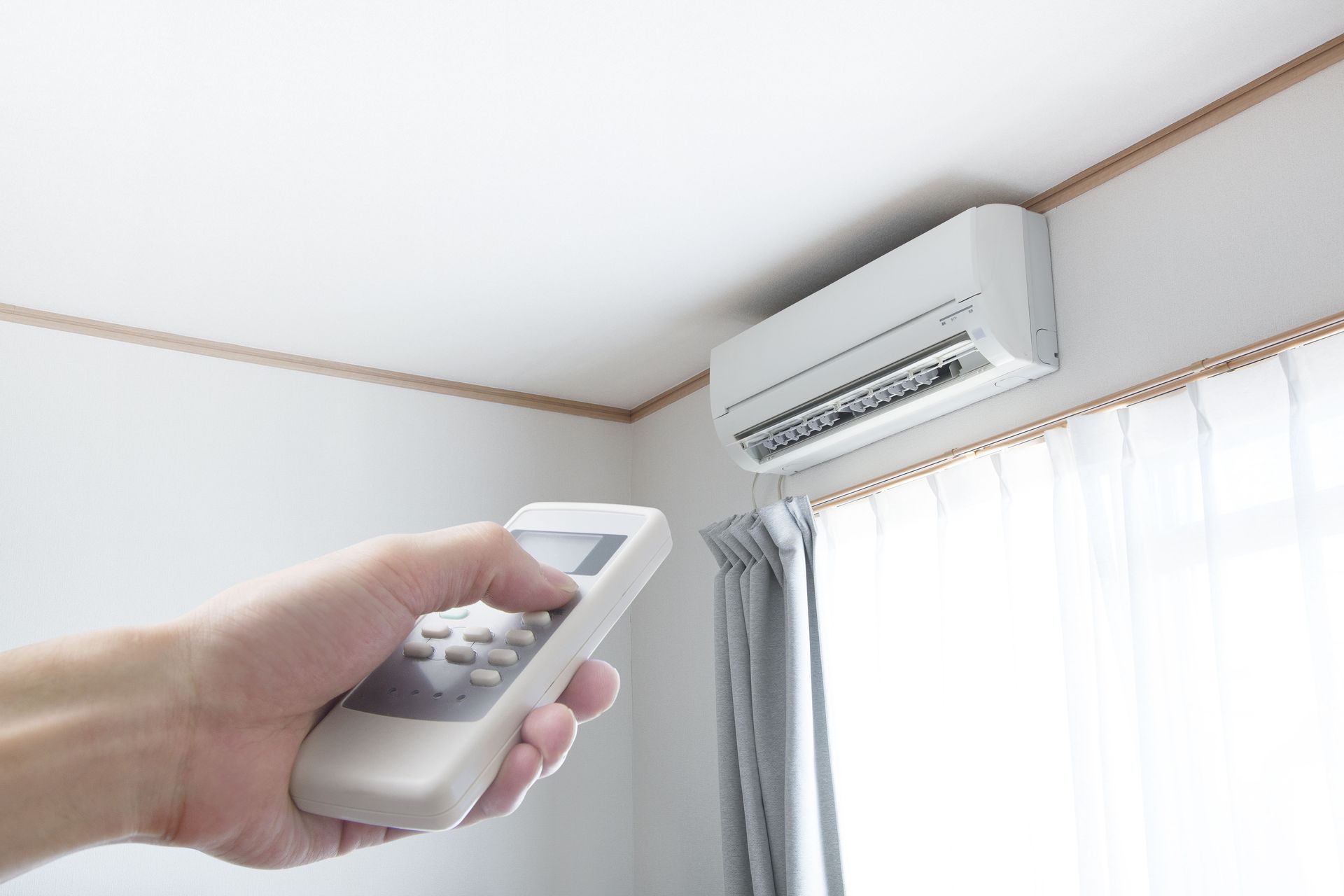
The thermostat acts as the brain of the climate control system, sending signals to the furnace or air conditioner based on the ambient temperature of the room. When this device loses its calibration or suffers from electrical glitches, the communication between the sensor and the machinery breaks down. Homeowners might notice that the unit runs constantly without reaching the desired temperature, or conversely, fails to turn on at all. Sometimes the issue is as minor as dead batteries or a buildup of dust inside the casing, but modern programmable and smart thermostats can face software bugs or wiring shorts. If the thermostat is placed in a location that receives direct sunlight or is near a drafty window, it may provide false readings that trigger erratic cycling. Ensuring this central command center is functioning accurately is vital for maintaining a balanced home environment.
Managing Refrigerant Level Imbalances
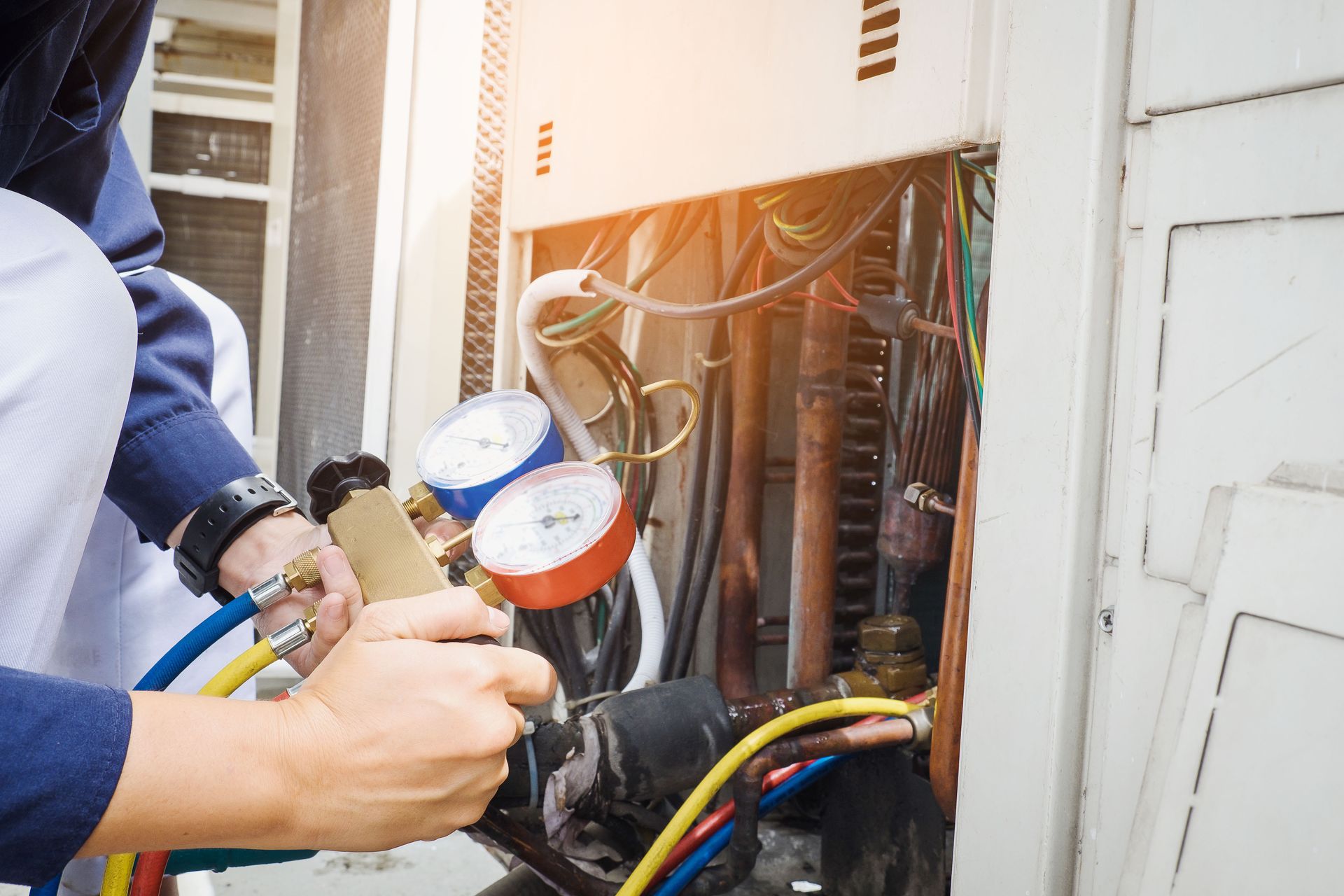
The cooling process depends on a specific chemical balance within the closed-loop system of the air conditioner. Refrigerant is the medium that absorbs heat from the indoor air and releases it outside. If a leak develops in the copper coils or connecting lines, the system loses its ability to effectively remove heat. Many people mistakenly believe that refrigerant is a fuel that is consumed over time, but in a healthy system, it should never need to be topped off. A decline in cooling performance or the presence of hissing sounds usually indicates a breach in the lines. According to HomeGuide, a well-maintained air conditioner usually lasts between 12 and 15 years. However, allowing a unit to run with low refrigerant levels can cause the compressor to burn out prematurely, which is often a terminal issue for the equipment. Seeking a qualified heating contractor to perform a leak test and recharge the system is the only safe way to handle these pressurized chemicals.
Addressing Unusual Mechanical Noises
A healthy climate control system should operate with a consistent, low-level hum. When the machinery begins to produce screeching, banging, or rattling sounds, it is a clear indication that a component has moved out of alignment or is reaching the end of its functional life. Squealing noises often point toward a frayed or slipping fan belt, while loud clanking may suggest that a bolt has come loose or a motor mount has failed. Ignoring these auditory warnings can lead to a domino effect, where a single loose part causes significant damage to surrounding hardware. Rattling specifically can indicate debris in the outdoor condenser unit or loose ductwork vibrating against the frame of the house. Because these sounds often emanate from high-voltage areas or fast-moving parts, professional inspection is necessary to diagnose the root cause without risking personal injury.
Resolving Frequent System Cycling
When a unit turns on and off too rapidly, a phenomenon known as short-cycling, it indicates a significant inefficiency or an oversized system. This behavior prevents the home from reaching a stable temperature and fails to remove humidity effectively, leaving the air feeling clammy and uncomfortable. Short-cycling is incredibly taxing on the electrical components, specifically the capacitors and the compressor, as the startup phase requires the most energy. This issue can be caused by anything from a faulty sensor to a failing control board. In some cases, the system may simply be too large for the square footage of the home, meaning it cools the air so quickly that it shuts down before the air has properly circulated. Consulting a heating contractor can help determine if the cycling is a repairable mechanical flaw or a fundamental issue with the equipment’s capacity.
Detecting Electrical Component Wear
The electrical heart of an HVAC system consists of various capacitors, contactors, and wiring harnesses that must function in perfect harmony. Capacitors act like temporary batteries that give the motors the boost they need to start and run. These components are particularly sensitive to heat and electrical surges, often bulging or leaking when they are near failure. If a capacitor dies, the fan or compressor will not start, even if the rest of the system is getting power. Similarly, contactors can become pitted or "welded" shut, causing the outdoor unit to run indefinitely. Because these repairs involve high-voltage electricity, they are strictly the domain of a professional heating contractor. Regular electrical inspections can identify these weakening components before they fail and leave the homeowner without climate control at an inconvenient time.
Protecting the longevity and efficiency of your home’s climate control system is our top priority. At Four Seasons Air Systems, we understand the nuances of residential machinery and are committed to providing the expert care required to keep your environment perfect year-round. Whether you are facing a sudden repair or simply want to ensure your equipment is ready for the coming season, we are here to provide the reliable solutions you deserve. Our team prioritizes thorough inspections, timely maintenance, and clear communication, helping homeowners make informed decisions while maximizing system performance and preventing costly breakdowns over time.